
Survivors of Uganda's deadly landslide seek justice at the UN

ByOndiro Oganga and Swaibu IbrahimBBC AfricaReporting fromKampala
Survivors of a 2019 landslide in eastern Uganda that killed more than 50 people have taken their fight for relocation and compensation to the United Nations.
The 48 complainants accuse the government of violating Uganda's constitution by failing to put effective disaster management measures in Bududa, a mountainous district prone to landslides.
Their case comes as heavy rains raise the risk of further landslides. They say the government relocation programme ignores their safety, land rights and livelihoods.
The UN Human Rights Committee is considering what is believed to be the first case seeking climate adaptation measures, one that could set a global precedent.
The landslide struck Bududa in 2019, killing more than 53 people, including 33 children. Years later, survivors say every spell of heavy rain brings back fears of another tragedy.
William Tsama, one of the claimants, lost four members of his family members.
"My quest should be a lesson," he said.
"Victims in such situations, ignored by governments, can take them to court to compel them to help their citizens."
Uganda introduced a resettlement plan for landslide-prone areas in 2011, but progress has been limited, with relatively few people relocated.
Last month, it launched a new resettlement programme offering affected households 18 million Ugandan shillings ($4,300) to help them move to safer areas.
But some survivors have questioned whether the amount is enough to cover the cost of relocating and rebuilding their lives.
Under the programme, families can choose between receiving two acres of land, valued at 8 million shillings ($1,900), plus 10 million shillings (about $2,400) towards building a house, or taking the equivalent land allowance in cash, alongside the same housing grant.
The scheme is expected to benefit 1,410 households identified as living in high-risk areas.
The government has now given residents of designated high-risk areas two months, from November to December, to leave or face forced eviction.
The threat extends beyond landslides. The complainants say changing rainfall patterns and declining soil fertility have also affected farming, leaving many families struggling to secure their livelihoods.
"I want to get a new good place for my people, so even if I die, they will be okay. I am an old man, but I am doing it for my children," Tsama said.
The survivors first launched legal action in 2020 in Uganda, and received support from Ugandan environmental organisation Greenwatch three years later.
They are seeking compensation for lost family members and livelihoods, as well as emergency measures, including accessible early-warning systems in high-risk areas.
Greenwatch Executive Director Samantha Atukunda Kakuru Mwesigwa said the case is about changing how governments prepare and respond to climate-related disasters.
"Justice for claimants is not just about winning in court. It is about forcing government policy to keep pace with a changing climate, and ensuring loss and damage is no longer an afterthought in disaster management," she said.
The threat of climate-related disasters extends across East Africa.
In Kenya, floods and landslides killed at least 181 people between March and May 2024, according to the Kenya Red Cross. In Rwanda, floods and landslides killed 135 people in May 2023.
The dangers are also being felt further afield. In October 2026, a flash flood swept through Nepal's Gorkha district after a landslide blocked a river, washing away homes and infrastructure, and killing over 1,500 people.
"Disasters like the one in Bududa are only getting worse because of climate change – and they are happening all around the world, as we've seen recently and tragically in Nepal," ClientEarth lawyer Vesselina Newman said.
She said poorer countries, which have contributed relatively little to global emissions, are bearing some of the heaviest consequences of climate change and need greater financial support.
"High income countries must provide financial assistance and ensure that sufficient money goes directly to countries like Uganda, so they can roll out life-saving adaptation measures," she said.
The complainants say relocation must involve more than move people out of danger.
They want the government to protect their livelihoods, respect their land rights, and take account of individual needs.
The case is now before the United Nations Human Rights Committee, which will ask the Ugandan government to respond within six months.
More Uganda stories on BBC:
Comments 0
Leave a Reply
Your email address will not be published. Required fields are marked *
World News
Explore All
Saudi-led coalition intercepts Houthi missiles targeting Riyadh and south
Material damage was reported after debris fell following the latest Houthi strikes launched towards Saudi Arabia.

Why is Pete Hegseth strengthening US military ties with Venezuela?
2 hours ago
Gaza Syndrome: Why Israeli soldiers’ trauma erases Palestinian victims
2 hours ago
Charting the world’s biggest IPOs as Anthropic overtakes SpaceX
2 hours ago‘Too early’ to determine impact of US blockade on Iran, with Tehran defiant
3 hours agoWhats New
View All
‘Ramayana’ Journey Across Asia Anchors Discovery Docuseries Marking Shashi Tharoor’s TV Hosting Debut (EXCLUSIVE)
Saudi-led coalition intercepts Houthi missiles targeting Riyadh and south

Hearst Canvas Launches Frontier Collective Brand as U.K. Arm Builds Digital-Native Content Slate for YouTube

‘The Altruists’ Review: Netflix FTX Series Fails to Get a Handle on Crypto Scammer Sam Bankman-Fried

Trump's massive DC triumphal arch project dealt another blow by federal judge
Why is Pete Hegseth strengthening US military ties with Venezuela?
Gaza Syndrome: Why Israeli soldiers’ trauma erases Palestinian victims
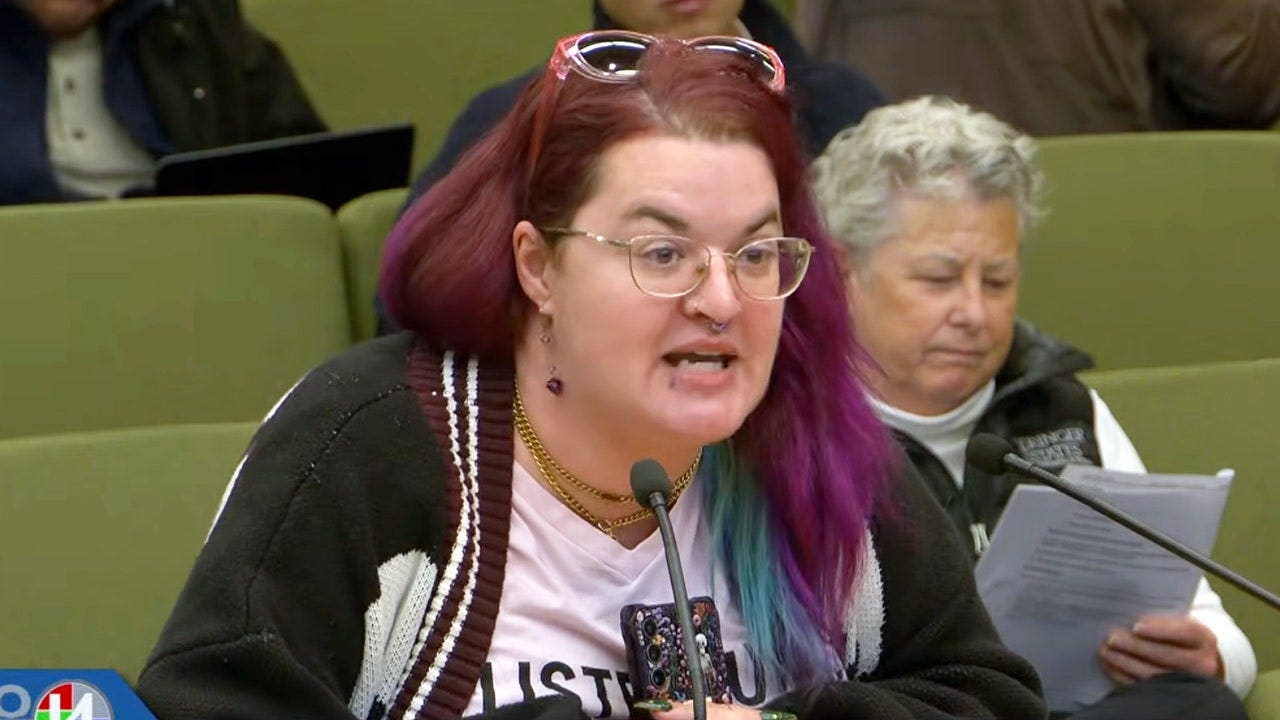
'You will regret it': Angry resident confronts Democratic mayor during chaotic council meeting
Charting the world’s biggest IPOs as Anthropic overtakes SpaceX
