
Scientists gave worms magnetic bacteria. They lived 43% longer
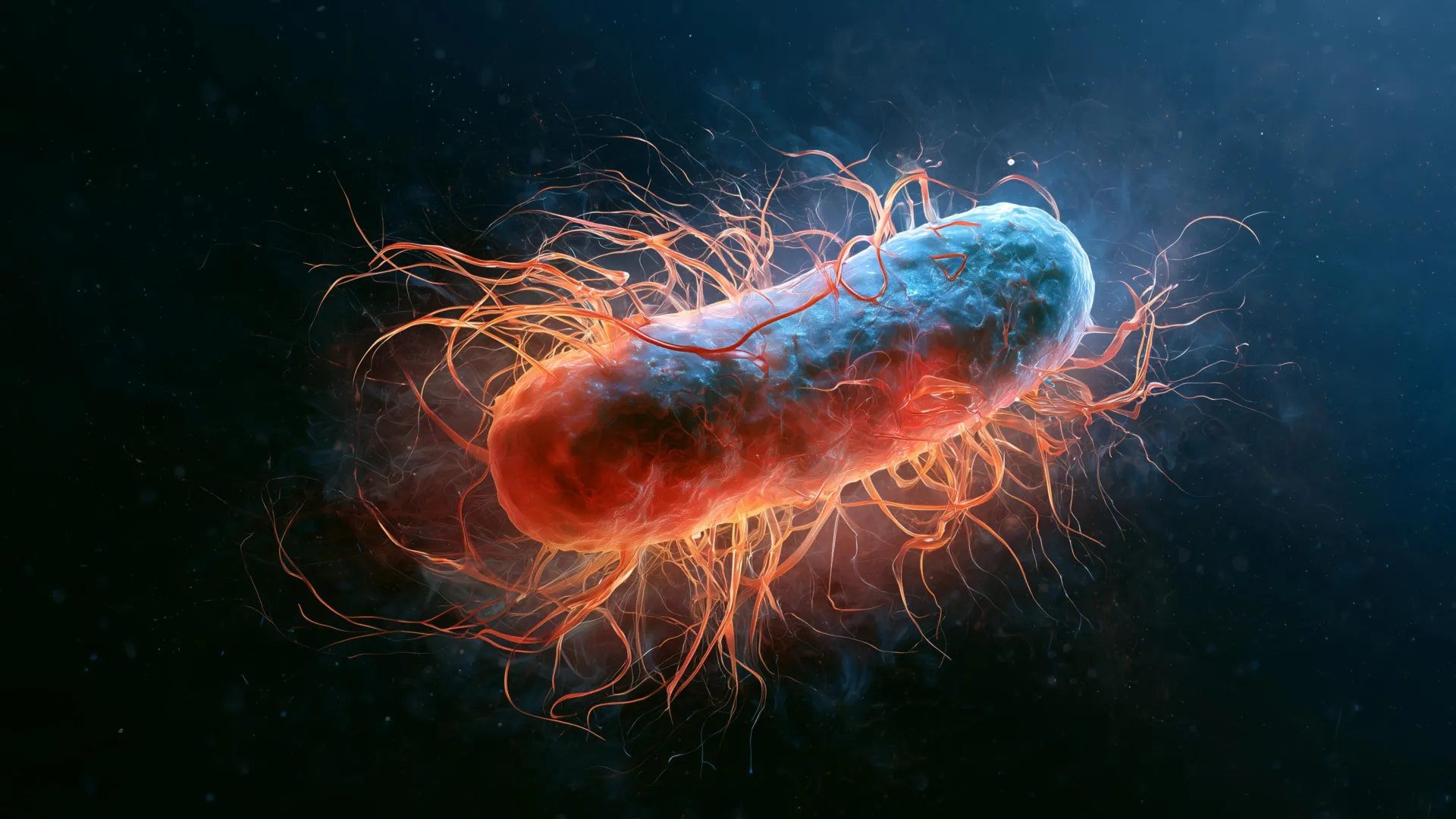
Researchers led by Prof. An Xu at the Hefei Institutes of Physical Science of the Chinese Academy of Sciences have found that a magnetotactic bacterium (MTB) called Magnetospirillum magneticum AMB-1 (AMB-1) can extend healthy lifespan in the Caenorhabditis elegans model. The team also identified the main mechanism behind the effect -- suppression of a form of cell death known as ferroptosis.
The findings were published in Free Radical Biology and Medicine.
Magnetic Bacteria and Healthy Aging
Aging gradually reduces normal physiological function and raises the risk of many chronic diseases. Researchers have explored drugs and genetic approaches as possible anti-aging strategies, but questions about safety and practical clinical use remain.
Magnetotactic bacteria (MTB) offer a very different approach. These microorganisms contain specialized structures called magnetosomes and have shown good biocompatibility. They have already attracted attention for potential uses including drug delivery and cancer treatment, but their possible influence on aging has received far less study.
To investigate that question, the researchers tested the MTB strain AMB-1 in C. elegans, a widely used model organism for aging research.
Lifespan Increased by More Than 43%
Worms treated with AMB-1 lived substantially longer. Their average lifespan increased by 43.39%, and the treatment also helped preserve neurological function and intestinal integrity in older worms.
The team then examined whether magnetosome production was important to this effect. Their results indicated that the ability to produce magnetosomes played a major role in extending lifespan.
Wild-type AMB-1 produced a stronger longevity effect than reversibly non-magnetotactic RNM-AMB-1. In contrast, non-magnetotactic NM-AMB-1 did not extend lifespan.
Blocking an Aging-Linked Form of Cell Death
Further experiments offered clues about how AMB-1 produces its effects. The bacteria reduced iron buildup and lowered lipid peroxidation in the worms, changes that suppressed aging-related ferroptosis.
Ferroptosis is a form of cell death associated with iron accumulation and oxidative damage to fats within cells. Genetic analysis showed that several ferroptosis-related pathways were involved in AMB-1-mediated lifespan regulation, including the genes ftn-1, bli-3, and ads-1.
According to the researchers, the findings establish a new microbial strategy for anti-aging intervention and provide foundational evidence that could support broader use of MTB in geriatric medicine.
Comments 0
Leave a Reply
Your email address will not be published. Required fields are marked *
Science
Explore All
Scientists gave worms magnetic bacteria. They lived 43% longer
A magnet-producing bacterium extended the average lifespan of C. elegans worms by more than 43% while helping protect their neurological and intestina...

“We found something never seen before” – A dead star is producing a shock wave that shouldn’t exist
1 hour ago
Ancient meteorites reveal a powerful force that helped build the Solar System
2 hours ago
Scientists discover an “impossible” cellular survival pathway that could help fight cancer
3 hours agoNASA Welcomes Côte d’Ivoire as Newest Artemis Accords Signatory
7 hours agoWhats New
View All
Paramount’s David Ellison Attends Trump White House State Dinner for Chinese President; CNN and MS NOW Reporters Barred From Event
Scientists gave worms magnetic bacteria. They lived 43% longer
“We found something never seen before” – A dead star is producing a shock wave that shouldn’t exist
Ancient meteorites reveal a powerful force that helped build the Solar System

NYC police arrest Susan Sarandon, other celebrities protesting Netanyahu

More than 100 arrested as New Yorkers protest Netanyahu’s UN visit

Hannah Einbinder Speaks Out After Being Arrested at Netanyahu Protest: ‘Let Us Not Mistake the Spectacle for the Story’

Meloni government bans burqas, caps foreign students in Italian schools

Trump praises US-China friendship at state dinner with Xi Jinping
