
No clear mandate projected in Israel election: What’s next?

Exit polls from Israel’s legislative elections have come in, with no party or bloc projected to secure a clear mandate to form a new government.
The polls, released by the major Israeli television networks on Tuesday, indicated that the coalition led by current Prime Minister Benjamin Netanyahu’s Likud party was on track to win 50 seats in Israel’s 120-seat parliament, the Knesset.
Recommended Stories
list of 3 items- list 1 of 3Do Palestinians in Gaza expect anything to change after Israel’s election?
- list 2 of 3UN panel accuses Israel of ‘extermination’ in West Bank, genocide in Gaza
- list 3 of 3‘Everything destroyed’: Hebron businesses count cost of Israeli assault
The opposition bloc led by former Israeli military chief of staff Gadi Eisenkot’s Yashar party was projected to take 52 seats.
That could leave neither bloc with the 61 seats needed for a majority, setting the stage for weeks or months of political jockeying to form Israel’s next government.
Separately, the Arab-led parties, which are not part of either coalition, were projected to win 18 seats. This means the Arab-led parties could emerge as kingmakers if other parties agree to join forces with them.
Here’s what comes next:
How have parties reacted?
Eisenkot said the exit polls show a “lack of confidence” in Netanyahu, while Yair Lapid, the current opposition leader, said the prime minister’s bloc has suffered a “crushing defeat”. He added, “This is a total collapse, and the public has told them to go home.”
But Gideon Saar, Israel’s foreign minister and a member of Netanyahu’s Likud party, said the opposition’s celebrations were premature.
In a social media post, he said: “Likud is the largest party in Israel. It is always good to learn something from the past.”
Netanyahu, who heads Likud, has served as prime minister for nearly 19 of the past 30 years and has repeatedly survived political crises.
Ehab Jabareen, a Palestinian political analyst and researcher in Israel, told Al Jazeera that the early exit poll projections show “a clear weakening of Netanyahu’s bloc” but expressed caution about “declaring either a Netanyahu victory or the end of his political career”.
“The exit polls suggest that his bloc has lost its majority, but they also suggest that his opponents face a difficult task in building one,” he said. “If neither side can form a government, Netanyahu could remain in office as caretaker while the negotiations continue.”
Who will the president nominate to form a government?
It remains to be seen.
Once the final vote tally is in on November 4, Israeli President Isaac Herzog will speak with party leaders about who they want as prime minister, then tap the candidate he believes has the best chance of forming a government.
That will not necessarily be the leader of the party that won the most seats in the Knesset.
With Netanyahu and Eisenkot’s parties emerging as the strongest, the two are viewed as leading contenders.
How much time will the invited leader have to form a coalition?
Up to 42 days. The candidate initially has 28 days, but the president can extend it by 14 days.
During this time, parties could engage in intensive negotiations and dealmaking, seeking policy concessions or potential ministerial portfolios, as the designated candidate tries to cobble together enough support to govern.
If the candidate cannot assemble a coalition with at least 61 seats, they could also try to form a minority government by relying on support from smaller parties, or negotiate a power-sharing arrangement with alternating prime ministers.
To be sworn in, a new government must win a parliamentary confidence vote by a simple majority, which can be fewer than 61 votes if some parties abstain.
What if negotiations fail?
If the first candidate fails to form a government, Herzog has the option of asking another Knesset member to try to do so within 28 days. If that candidate also fails, a majority of Knesset members could put forward a third candidate, who would have a final 14 days to try to assemble one.
If the Knesset remains at an impasse, it would be formally dissolved, and Israelis would return to the polls for another round of elections.
Those elections would have to be called within 90 days. In the meantime, Netanyahu’s government would remain in office as a caretaker government.
Has this happened before?
Yes.
Prolonged gridlock in the Knesset forced Israelis into three rounds of elections between April 2019 and March 2020. The result was a power-sharing agreement between Netanyahu and his then-chief rival, Benny Gantz, under which they were supposed to rotate the premiership.
That government collapsed a year later after failing to pass a budget.
Will the opposition form a coalition with the Arab-led parties?
While the exit polls suggest the Arab-led parties could become kingmakers, both Netanyahu and Eisenkot have ruled out partnering with the parties, citing a lack of shared values.
Asaf Ronel, an Israeli political analyst, said that while exit polls suggest an end to Netanyahu’s “nightmarish government”, there are serious questions if other leaders can overcome their “racism and refusal” to collaborate with the Arab-led groups.
“The question now is whether they can let go of their racist elections promise, otherwise the most likely scenarios is that we are back to another round of elections in the next few months,” he said.
Comments 0
Leave a Reply
Your email address will not be published. Required fields are marked *
World News
Explore All

Whats New
View All
Politico Plans Live Video Coverage of Midterm Elections
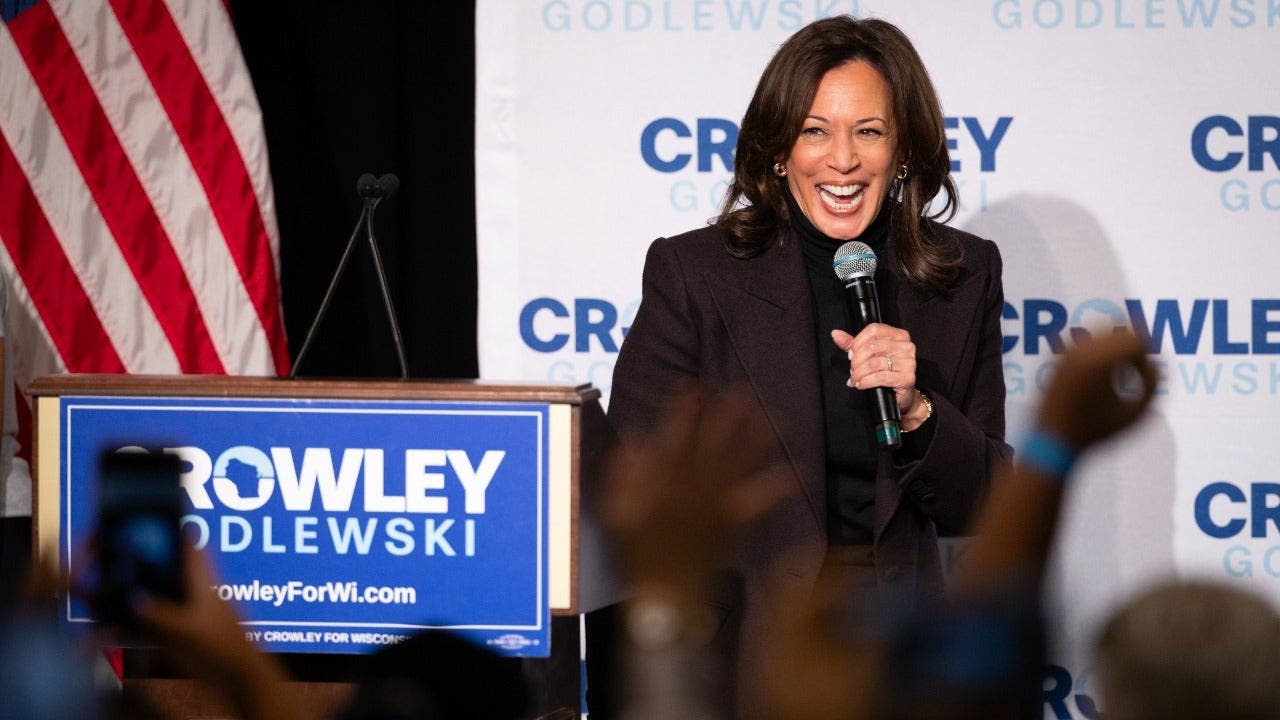
Rep. Tom Tiffany claims Kamala Harris visit signals weakness in David Crowley’s Wisconsin campaign

Gaza’s women filmmakers turn pain into cinema as new academy launches

Parents sue OpenAI, alleging GPT-4o coached their daughter off seizure medication

Ancestral Memory Meets AI in Himalayan Drama ‘Shirjara: Song of Grandmother’ at Tokyo Gap-Financing Market

Masahiro Sakurai Shrugs Off AI Games as ‘Unprofitable Titles’ as Clones and Mods Boom

Punk Band Guitar Wolf Rocks Back Into Takeuchi Tetsuro’s ‘Wild Zero Overdrive’ at Tokyo Gap-Financing Market
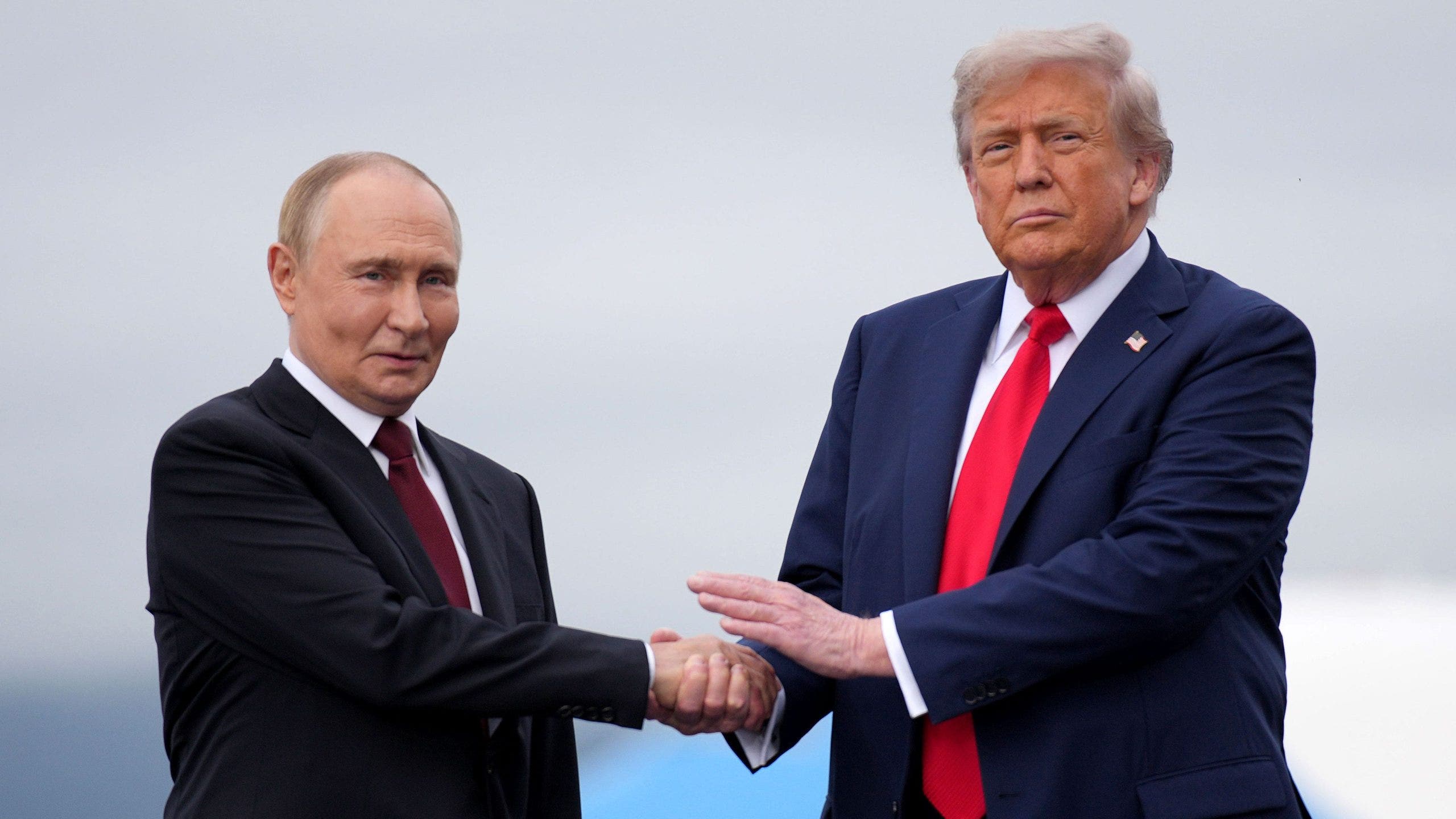
Russian diesel tankers close in on US ports as Trump, Putin deal triggers legal showdown
No clear mandate projected in Israel election: What’s next?
