
New soil test could reveal how soil microbes help feed plants
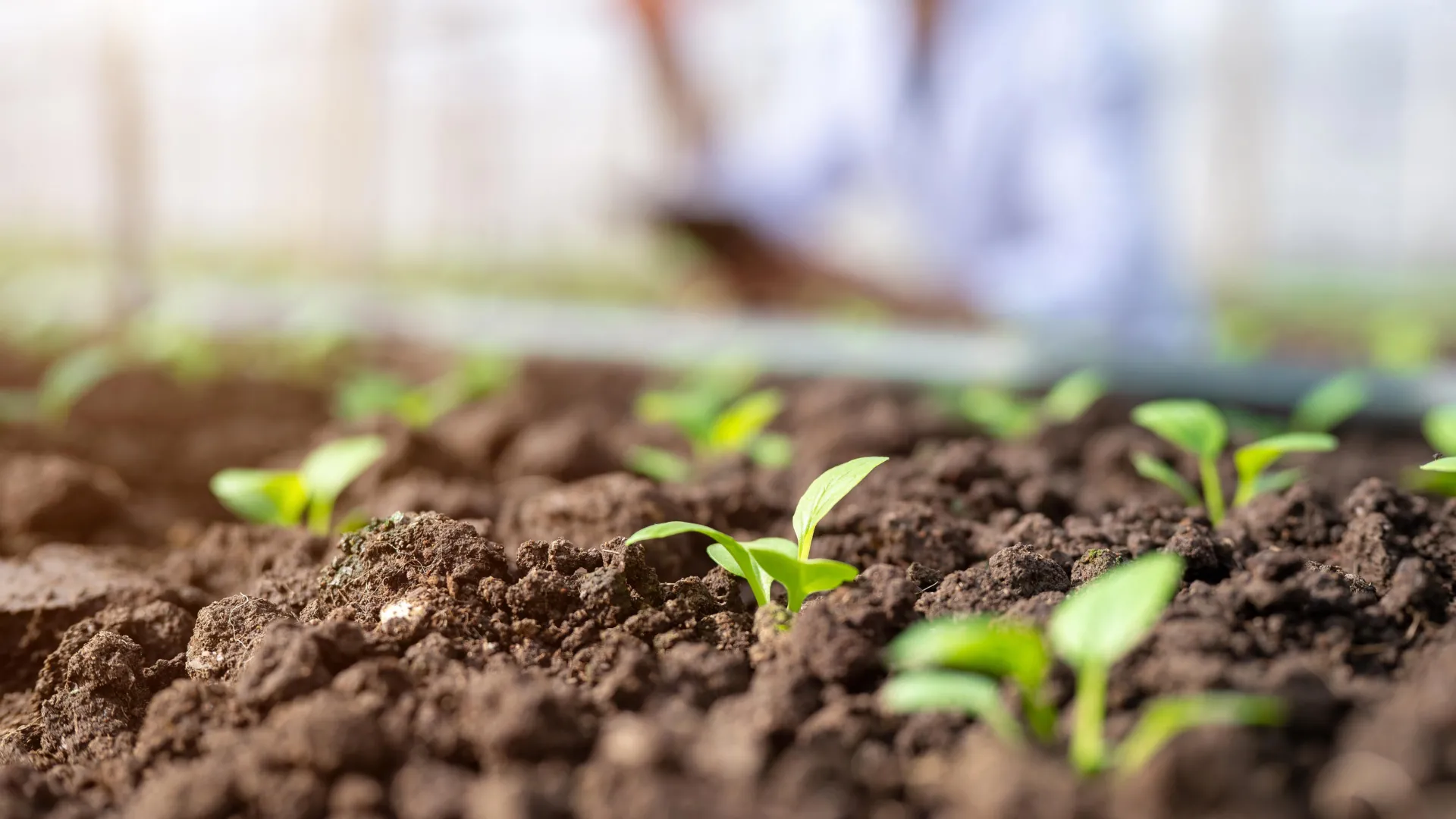
Researchers have created a simpler and less expensive way to measure a biologically active form of phosphorus in soil, a development that could help scientists better understand how this essential nutrient moves through ecosystems and supports agriculture.
Phosphorus is critical for plant growth and food production, but the world's natural phosphorus reserves are limited. Learning how the nutrient is stored, transformed, and released in soil is therefore important for maintaining fertile farmland while reducing waste and environmental damage.
A Better Way To Measure DNA-Bound Phosphorus
In a study published in the Journal of Agricultural and Marine Sciences, an international team that included researchers from Sultan Qaboos University, James Hutton Institute, the Environment Authority of Oman and others refined a laboratory method used to measure DNA-bound phosphorus (DNA-P) in soils.
DNA-P forms part of the organic phosphorus pool connected to living microorganisms. Because microbes continuously take up, transform, and release nutrients, this form of phosphorus can offer insight into the biologically active portion of the soil phosphorus cycle.
The researchers tested and modified an existing analytical procedure, then applied the improved version to 32 different soil types from across the United Kingdom. The updated method was easier to perform and less expensive while still preserving the precision and sensitivity needed for reliable measurements.
Removing Unnecessary Steps
One of the biggest improvements came from eliminating enzyme treatments that had previously been included in the process. The researchers found that these treatments were not necessary, allowing the method to become simpler and cheaper.
One step, however, remained crucial. Ultrafiltration was still needed to separate DNA-bound phosphorus from other compounds that also contain phosphorus. Without that separation, measurements of DNA-P would be less accurate.
Soil Microbes Appear Closely Linked to DNA-P
DNA-P made up only a small share of the total organic phosphorus in the soils studied. Even so, its concentration showed strong relationships with several important soil properties, including pH, microbial biomass phosphorus, organic matter content, and phosphorus dissolved in soil water.
Those connections suggest that DNA-P is more closely associated with living soil microorganisms than with long lasting, stable phosphorus reserves. In other words, it may provide a useful window into the more active part of the phosphorus cycle that is influenced by microbial life.
New Clues for Soil Fertility and Sustainable Farming
The improved method gives scientists a more practical tool for studying biologically active phosphorus in soils. It could also help researchers investigate how microbial communities influence the amount of phosphorus that becomes available to plants.
As agriculture comes under growing pressure to use finite phosphorus resources more efficiently, better measurements of this nutrient could become increasingly important. The new approach may support future research into soil fertility, nutrient management, and more sustainable food production systems.
Comments 0
Leave a Reply
Your email address will not be published. Required fields are marked *
Science
Explore All
Glucosamine, a popular joint supplement, linked to faster Alzheimer’s progression
A large health-record analysis found that glucosamine use was associated with a 25% higher likelihood of mild cognitive impairment progressing to deme...
New soil test could reveal how soil microbes help feed plants
3 hours ago
1.7-billion-year-old fossils reveal a crucial clue to the rise of complex life
3 hours ago
Why rheumatoid arthritis pain may persist even when inflammation is under control
4 hours agoAPOD: 2026 September 27 – Andromeda Before and After Photoshop
11 hours agoWhats New
View All
Glucosamine, a popular joint supplement, linked to faster Alzheimer’s progression

‘Better deal’: What’s behind Trump’s rejection of Iran’s truce offer?

Naomi Watts Talks Menopause – ‘I Was Crying in the Bathroom, Trying to Scratch Off My Estrogen Patch’ – Recalls Being Told She ‘Freaked People Out’ Early in Her Career: ‘Yeah, No Shit. I Was Desperate, Behind on My Rent and Getting Evicted’

Trump's Greenland obsession isn’t random. Here’s what’s at stake

Swiss voters set to reject tighter neutrality rules in referendum

Ten climbers missing after avalanche hits Himalayan base camp

Trump reaffirms ICE arrest policy after confusing guidance sparks alarm among agents
New soil test could reveal how soil microbes help feed plants

Floods and landslides kill at least 56 people in India, 12 in Nepal