
NASA’s Roman Space Telescope could last more than twice as long as planned
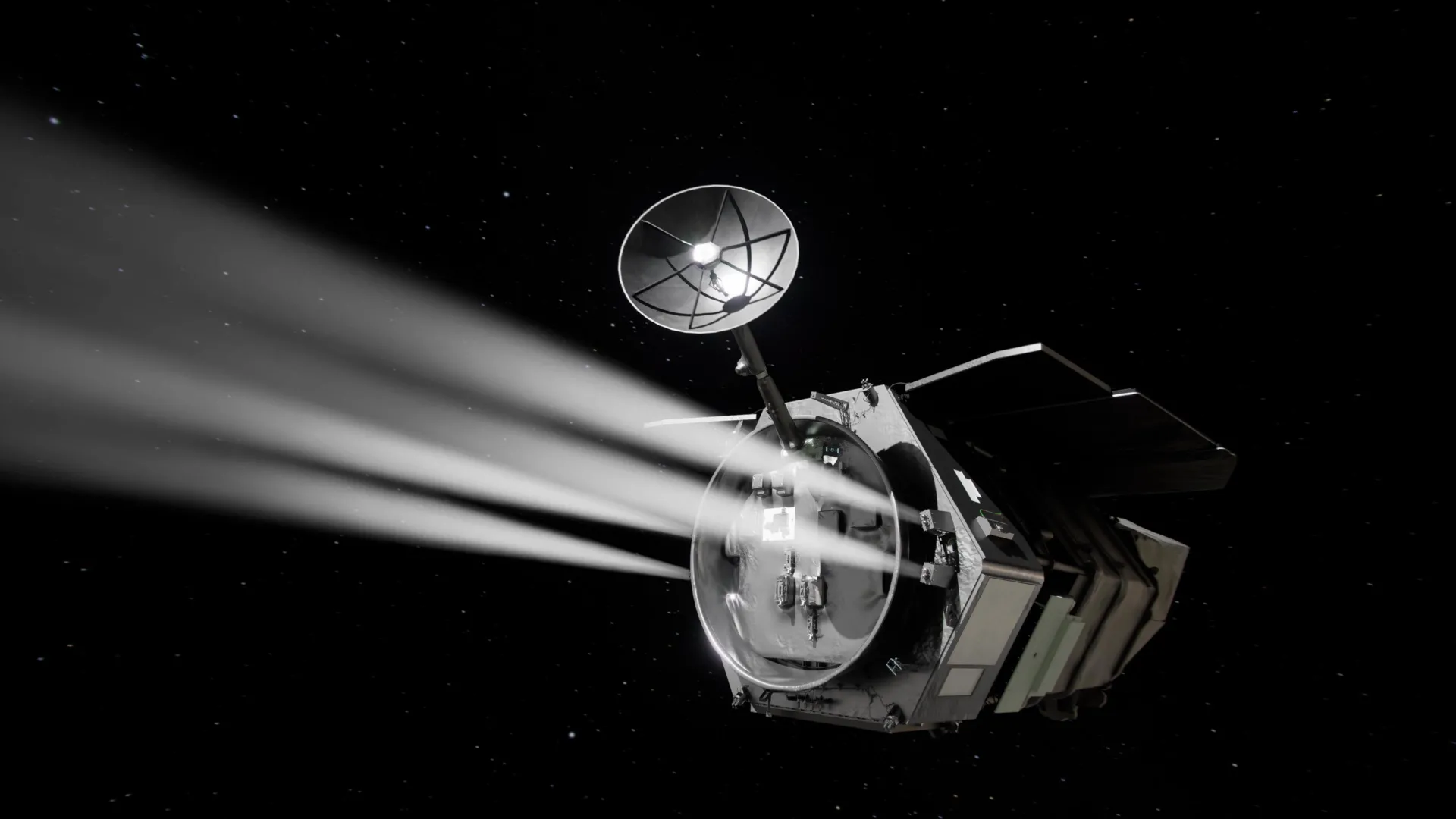
NASA's Nancy Grace Roman Space Telescope may be able to operate for far longer than originally expected. An exceptionally precise first mid-course correction, combined with other fuel savings, could more than double the observatory's potential lifetime in space.
"As a result of exquisite planning by our orbital dynamics team, brilliant execution by the operations team, and a precise launch from SpaceX, Roman has fuel for at least 22 years of potential science operations," said Jamie Dunn, center director at NASA's Goddard Space Flight Center in Greenbelt, Maryland.
Several factors are behind that dramatic extension. Roman used far less fuel than expected during its first course correction, carried additional propellant at launch, and is projected to conserve even more during its second mid-course correction and orbital insertion.
Roman Was Originally Designed for 10 Years
Roman was built around a five-year primary mission and a five-year extended mission, giving it a total fuel budget intended to support 10 years of operations. Because propellant is the spacecraft's main consumable resource, every kilogram saved during its journey can potentially translate into additional years of scientific observations.
First Maneuver Could Add Four Years
Roman carried out its first burn on Aug. 31, adjusting its path toward the observatory's eventual orbit. Since then, the mission team has been studying how the maneuver affected Roman's long-term fuel outlook.
The results were better than expected. The maneuver was completed with more than 99% accuracy and consumed less than 10% of the fuel reserved for it. Roman used about 40 pounds (18 kilograms), compared with the planned allocation of 441 pounds (200 kilograms).
Those savings alone could provide roughly four additional years of potential science operations.
Extra Fuel at Launch Could Add Another Four Years
Roman also began its journey with more propellant available than planners originally expected to need.
Engineers calculated the spacecraft's fuel requirements using a conservative maximum weight of 21,605 pounds (9,800 kilograms). Roman ultimately weighed just 17,760 pounds (8,056 kilograms) at launch.
Because the spacecraft was lighter, it required less fuel for its mid-course correction. Its lower mass also allowed the team to fill Roman's propellant tanks to capacity rather than carrying only enough fuel for the original 10-year mission.
That additional fuel could support roughly four more years of operations.
"A spacecraft's mass changes throughout the design and build process, so we base the propellant budget on a set maximum value so we won't come up short," said Alison Rao, the Roman propulsion lead at NASA Goddard. "We track the propellant needed based on actual mass throughout integration and testing as well, to make sure we have wiggle room. Since Roman's was lower than we budgeted for, we were able to fill the propellant tanks to their capacity rather than only filling them as much as we needed to for the 10-year requirement."
More Fuel Savings Expected Ahead
Roman's successful first mid-course correction is also expected to make its second correction much smaller, potentially conserving still more propellant.
Because the first maneuver was so accurate, mission controllers can wait longer before making the follow-up adjustment, which is now scheduled for later this month. That burn will provide the final amount of energy Roman needs to reach its targeted position before entering its permanent orbit around L2.
Roman is expected to arrive at L2 approximately 100 days after launch, around early December.
Current estimates indicate that the second correction and orbital insertion should both require less fuel than originally budgeted. Together, those savings could provide approximately four additional years of potential mission life and leave even more propellant available for future scientific work.
Once Roman settles into its orbit around L2, maintaining its position should require only periodic station-keeping burns about once every 28 days.
Comments 0
Leave a Reply
Your email address will not be published. Required fields are marked *
Science
Explore All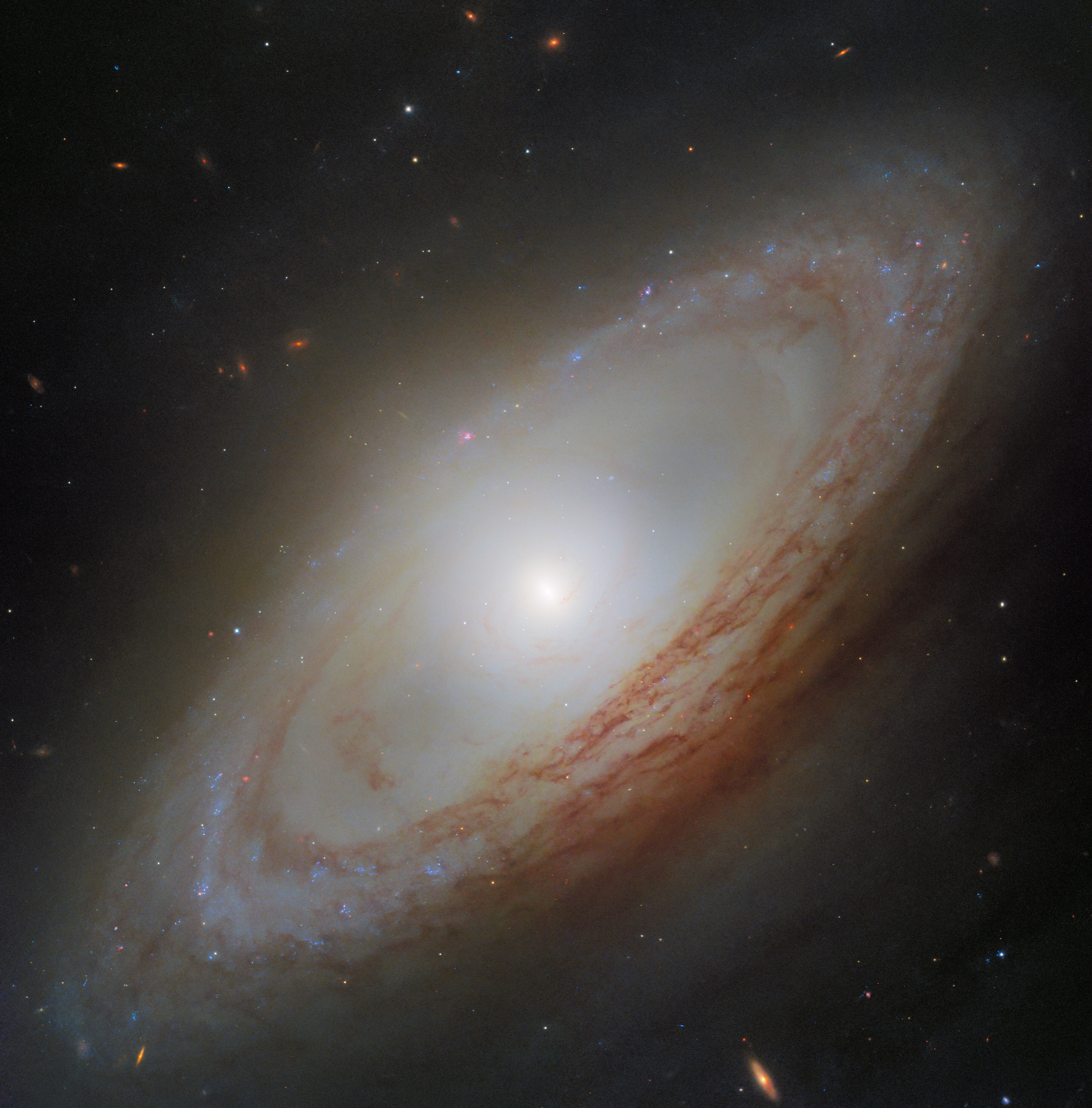
NASA’s Hubble Spots an Out-of-Sync Galaxy
Though the spiral galaxy in this new image from the NASA/ESA Hubble Space Telescope seems serene, it hides a chaotic secret. This galaxy is NGC 4698,...

Scientists discover cells that cheat death and rebuild damaged tissue
3 hours ago
Scientists just named a new snake after Guns N’ Roses legend Slash
3 hours ago
Caltech’s tiny new chip can steer light in 74 quadrillionths of a second
3 hours agoNASA’s Roman Space Telescope could last more than twice as long as planned
4 hours agoWhats New
View All
Robinhood’s Abhishek Fatehpuria on winning the modern financial consumer at TechCrunch Disrupt 2026

‘It’s Time for My Voice’: Jennifer Hudson on Reviving ‘Dreamgirls,’ Booking Tom Cruise for Her Talk Show and Writing Original Music Again

Influencers see UPI MDR introduction in India as vital step for ecosystem monetisation: GlobalData

Here’s Why the Strategy Exits Boston Omaha Corp. (BOC)

Oscars: Poland Submits Paweł Pawlikowski’s ‘Fatherland,’ Starring Sandra Hüller, for International Feature Race

Duncan Sheik, ‘Barely Breathing’ Hitmaker and ‘Spring Awakening’ Stage Composer, Dies at 56

Young swing-state voters cozy up to Democratic Socialists, say party establishment must ‘learn’ from DSA wins

Box Office: ‘Resident Evil’ Makes $8.8 Million in Previews, Biggest Ever for Series

Thermo Fisher Scientific (TMO) is Positioned for Resurgence
