
NASA, USDA Sign Agreement Advancing Earth Science, Agriculture
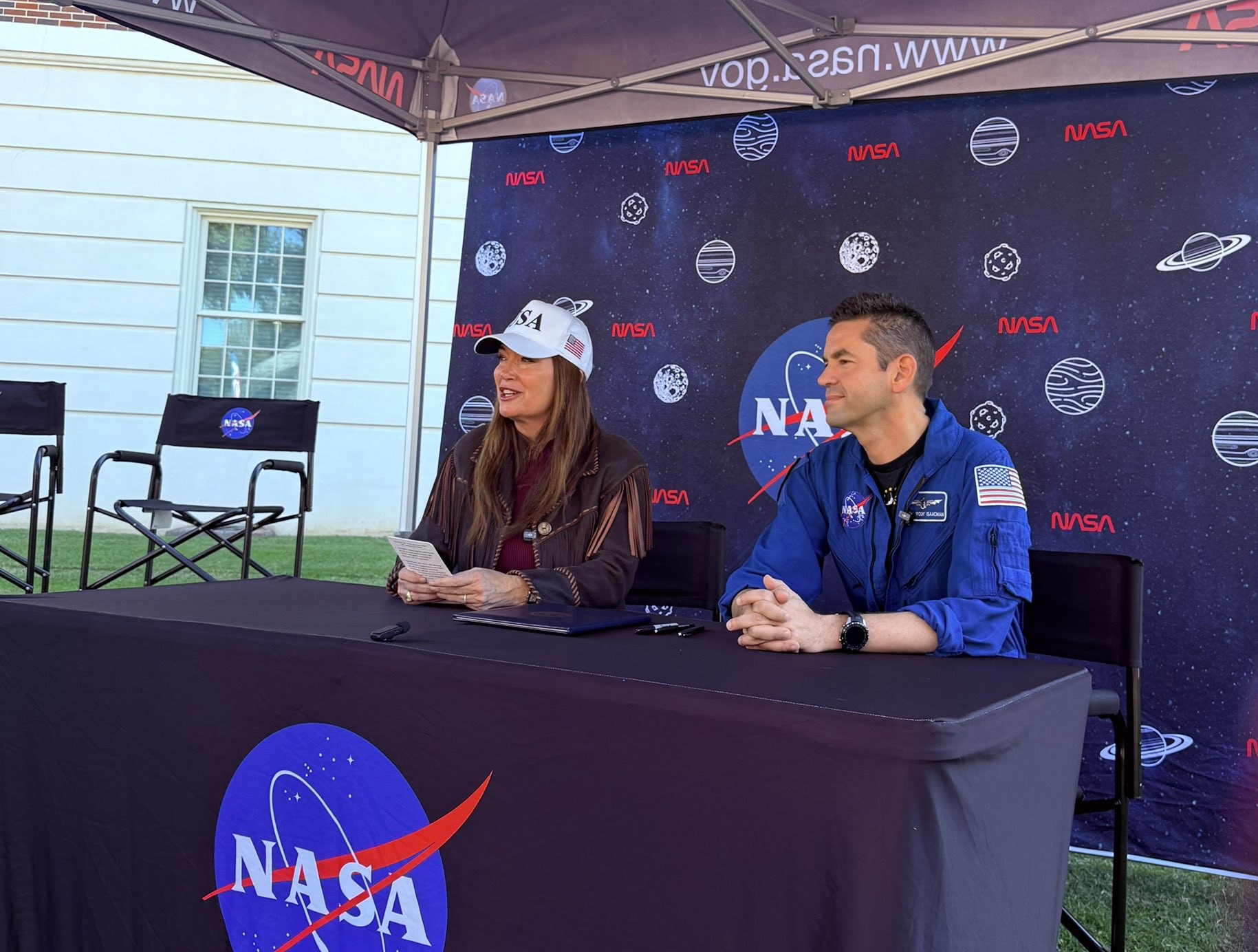
NASA and the U.S. Department of Agriculture (USDA) have signed a Memorandum of Understanding expanding cooperation in Earth observation, geospatial analytics, and advanced data technologies, supporting USDA’s data modernization plan for United States agriculture.
“NASA develops some of the most advanced sensing, computing, and analytical capabilities in the world, and we should put those tools to work wherever they can deliver meaningful outcomes for the American people,” said NASA Administrator Jared Isaacman. “By combining NASA’s Earth observation data and technical expertise with USDA’s knowledge of American agriculture, we can improve the information available to farmers and ranchers, strengthen our understanding of crop conditions and natural hazards, and pursue new high-risk, high-reward ideas that advance both science and American competitiveness.”
Isaacman and U.S. Secretary of Agriculture Brooke Rollins signed the agreement Oct. 24 during NASA’s Inspiration Tour at the University of Alabama in Tuscaloosa.
NASA and USDA’s longstanding partnership has supported collaborative research and data-sharing efforts that strengthen U.S. agriculture. The new agreement deepens this cooperation by focusing on improved data integration and enhanced coordination across Earth observation and agricultural applications.
“American farmers are the best in the world and deserve any solution we can leverage, even when it is out of this world. I am proud to announce that USDA will now work with Administrator Isaacman and NASA to utilize the full power of technology, research, and development to fortify U.S. agriculture,” said Rollins. “With this unprecedented partnership the Trump Administration is committing to a bright future of research and tech opportunities that will enhance USDA acreage and yield estimation and drive profitability for American agriculture.”
Under the new agreement, the agencies can explore activities in agricultural statistics, remote sensing science, modeling, geospatial data engineering, and super intelligence. NASA and USDA also will look at how to better align Earth observation data and analytical tools with agricultural needs, helping improve crop monitoring, acreage and yield estimates, and assessments of drought and other disasters.
The agencies will examine new approaches for managing and analyzing large datasets, strengthening USDA’s data systems while providing farmers, ranchers, and policymakers with more timely and reliable information.
For more information about NASA’s Earth science, visit:
https://science.nasa.gov/earth
-end-
Camille Gallo / Elizabeth Shaw
Headquarters, Washington
202-358-1600
camille.m.gallo@nasa.gov / elizabeth.a.shaw@nasa.gov
Comments 0
Leave a Reply
Your email address will not be published. Required fields are marked *
Science
Explore All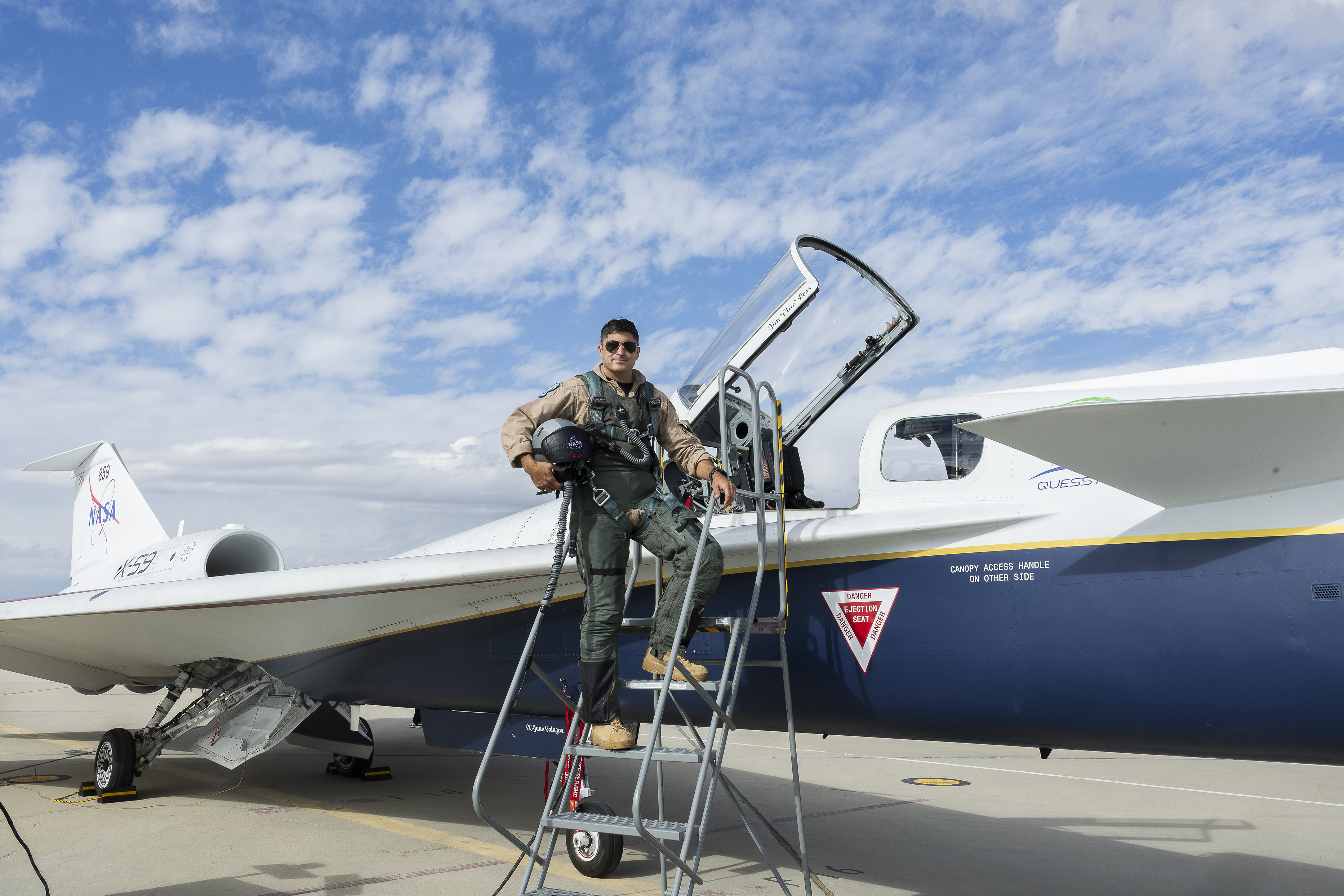
NASA’s X-59 Aircraft and Test Pilot
NASA test pilot Mike Lippert poses for a photo ahead of his first time flying the agency’s X-59 quiet supersonic research aircraft on Oct. 21, 2...
NASA, USDA Sign Agreement Advancing Earth Science, Agriculture
3 hours ago
Exercise doesn't just strengthen your heart. It rewires it
6 hours ago
A 2,700-year-old solar eclipse just revealed something surprising about Earth
6 hours agoChinese scientists discover “D-rex,” a giant fungus with roots stretching back 65 million years
6 hours agoWhats New
View All
Sharjah Film Festival Partners With UAE’s Media Authority in Push to Assist Emerging Filmmakers

Instagram Is Testing Ability to Share Videos up to 90 Minutes Long and Launches on Apple TV — but Unlike YouTube, It’s Still Not Going to Pay Creators

Anthropic’s IPO filing reveals its strategy for keeping enterprise customers hooked

Walter Koenig, Star Trek's Chekov, Dies at Age 90

SpaceX locks in $40B GPU financing deal with Apollo

Walter Koenig, Chekov on Original ‘Star Trek,’ Dies at 90

PlayStation Handheld May Have Exclusive Next-Gen AMD Graphics, Report Suggests

More than 60 Christians killed in Ethiopia 'massacre', church official says

Israel and the US are both going to the polls - the consequences will be global