
NASA Seeks Partners to Design First Nuclear Reactor for the Moon
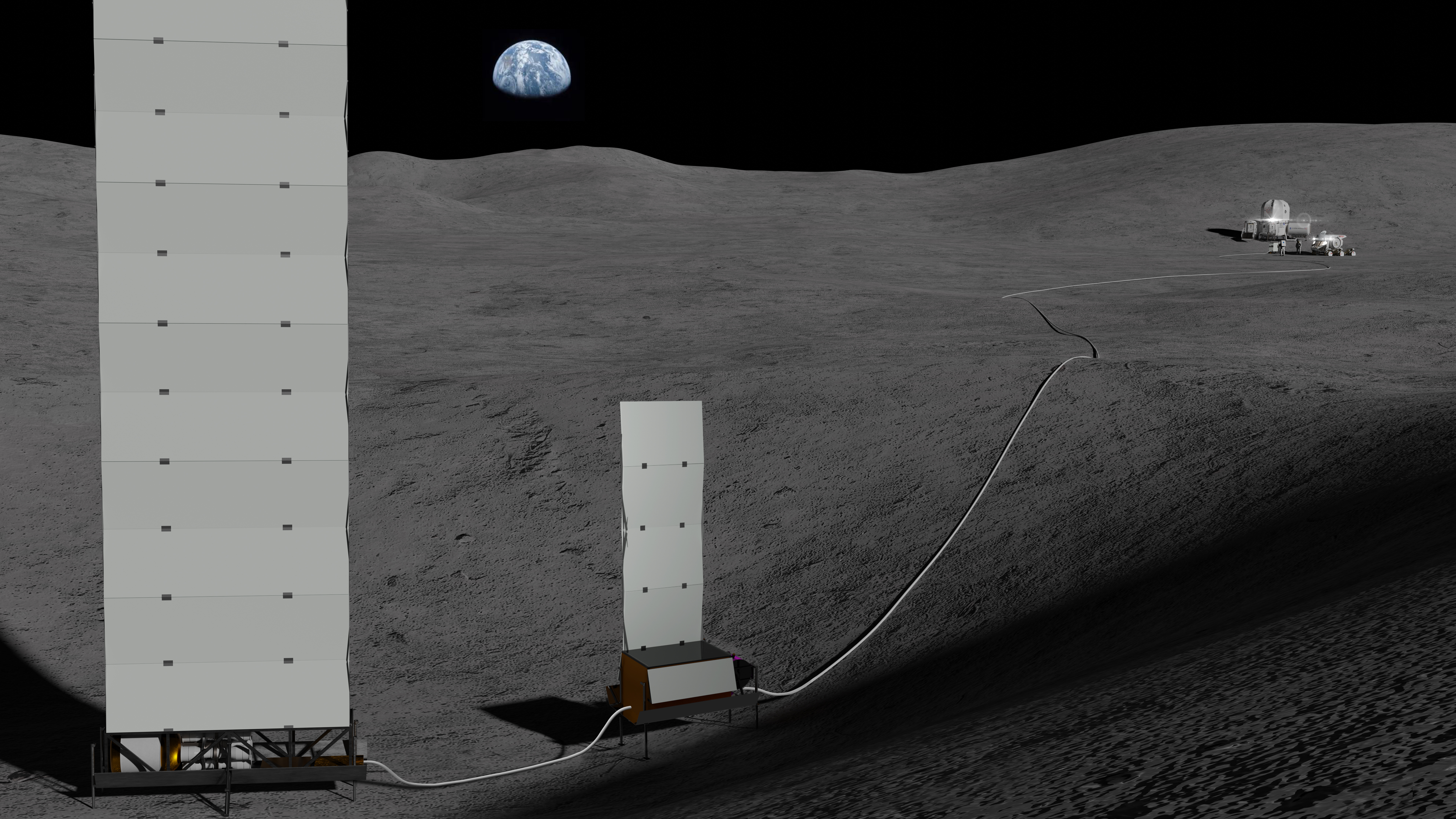
NASA is seeking industry partners to develop and test the first nuclear reactor designed to provide electricity on the Moon, a major step toward establishing a sustained human presence on the lunar surface.
Lunar Reactor-1 (LR-1) will be a small fission power system that will generate 20 kilowatts of electricity, enough to power approximately 16 average U.S. households annually on Earth. For NASA’s plans for a Moon Base, that energy could support future habitats, communications systems, rovers, scientific instruments, and other essential infrastructure.
NASA aims to have a launch-ready system by 2030 and operate it on the Moon for at least five years after deployment.
Unlike solar power, which depends on sunlight, a nuclear reactor can generate electricity continuously, including during the Moon’s approximately two-week-long nights. This capability will enable future lunar operations, particularly in locations where sunlight is limited or unavailable.
“This request for proposals represents an important step forward as NASA partners with industry to establish an enduring human presence on the lunar surface,” said Brian Giblin, NASA’s Lunar Reactor-1 program manager. “A reliable source of safe and abundant energy will be vital to future exploration of the lunar and Martian surface. Space nuclear systems will provide continuous power to NASA assets in any environment without dependency on sunlight.”
NASA’s Space Power and Reactor Capabilities Request for Proposals incorporates feedback received after the agency released a draft proposal in August and hosted an industry day in September at the Ohio Aerospace Institute in Cleveland. The solicitation requires that the reactor must meet Department of Energy (DOE) safety standards for nuclear operations.
While the primary purpose of the Request for Proposals is to advance the technology, testing, and flight design of LR-1, NASA may issue additional task orders to support the development of other space nuclear power systems. Proposals are due by Dec. 21.
Nuclear power will be increasingly important to NASA’s space exploration ambitions. Lunar nights last about 14 Earth days, while dust storms on Mars can block sunlight for months. Farther from the Sun, solar power becomes progressively less effective. Nuclear systems offer a reliable source of electricity in these challenging environments.
LR-1 is managed by the agency’s Space Reactors Division in partnership with the Department of Energy. The division is also responsible for the development of NASA’s Space Reactor‑1 (SR-1) Freedom. Scheduled to launch in 2028, SR-1 Freedom will deliver three SkyFall helicopters to Mars and demonstrate nuclear electric propulsion, which uses electricity generated by a nuclear reactor to power spacecraft propulsion systems. This technology could enable future spacecraft to travel farther and undertake deep space missions that aren’t possible using conventional propulsion.
Together, LR-1 and SR-1 Freedom are advancing nuclear power and propulsion technologies to enable a new era of space exploration. By investing in these technologies, NASA and DOE are helping secure America’s leadership in space for decades to come.
Comments 0
Leave a Reply
Your email address will not be published. Required fields are marked *
Science
Explore All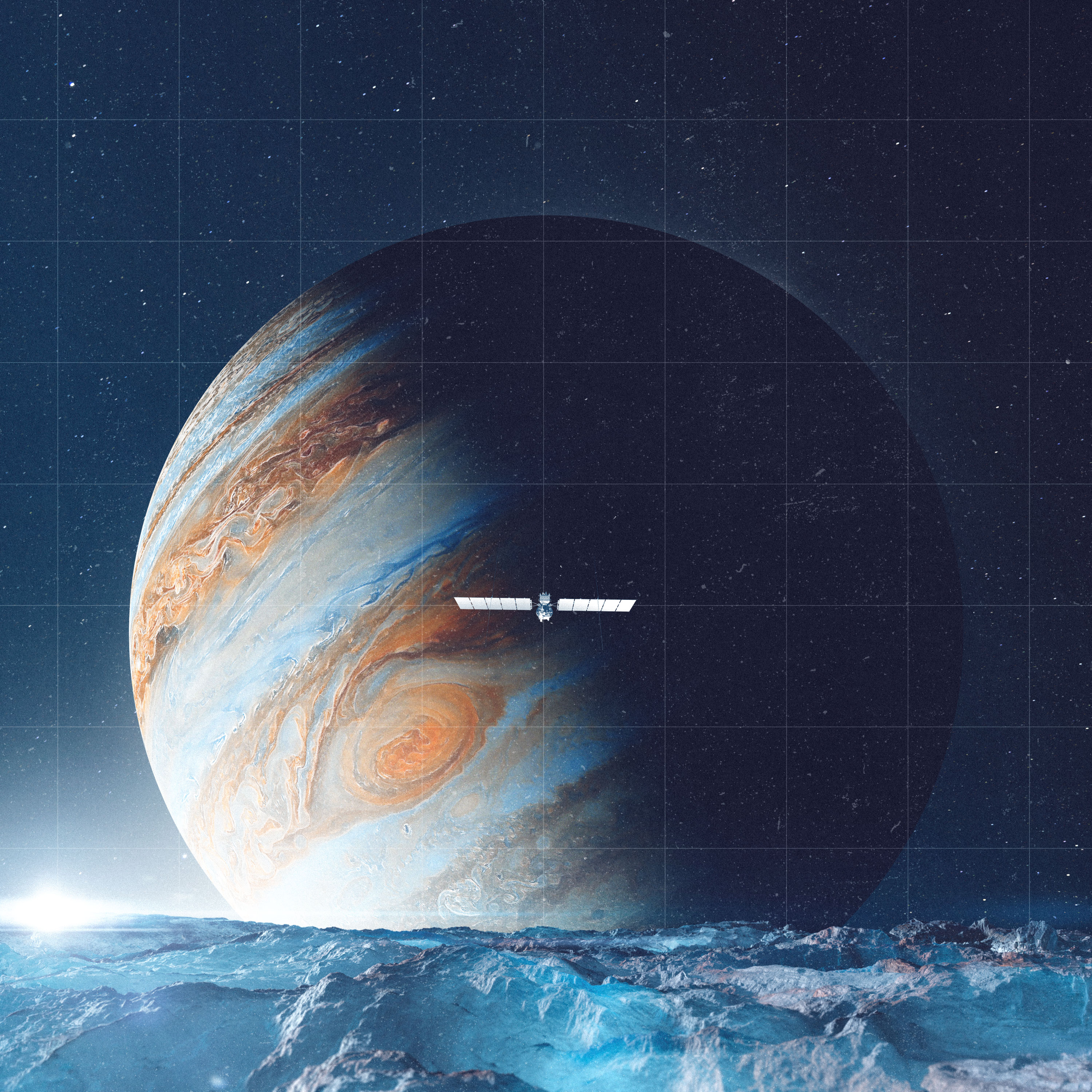
NASA+ Documentary Captures Europa Clipper’s Journey Into Deep Space
NASA invites the world behind the scenes to witness the story of Europa Clipper’s journey from a far-off vision to a cutting-edge deep space explorati...
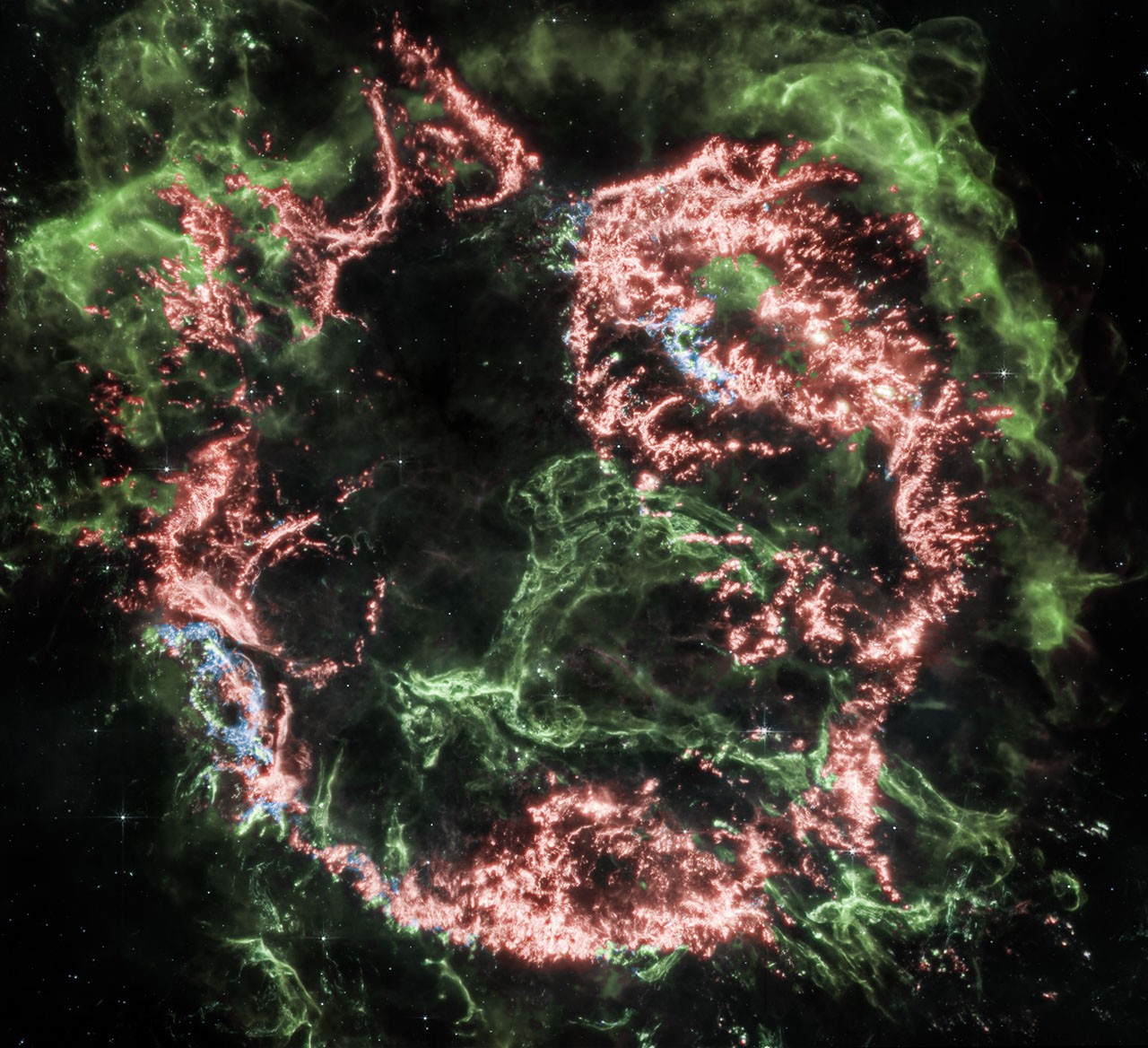
NASA’s Webb Shows How Supernova Dust Chronicles Star Evolution
3 hours ago
New gum disease treatment kills bad bacteria while sparing the good
6 hours ago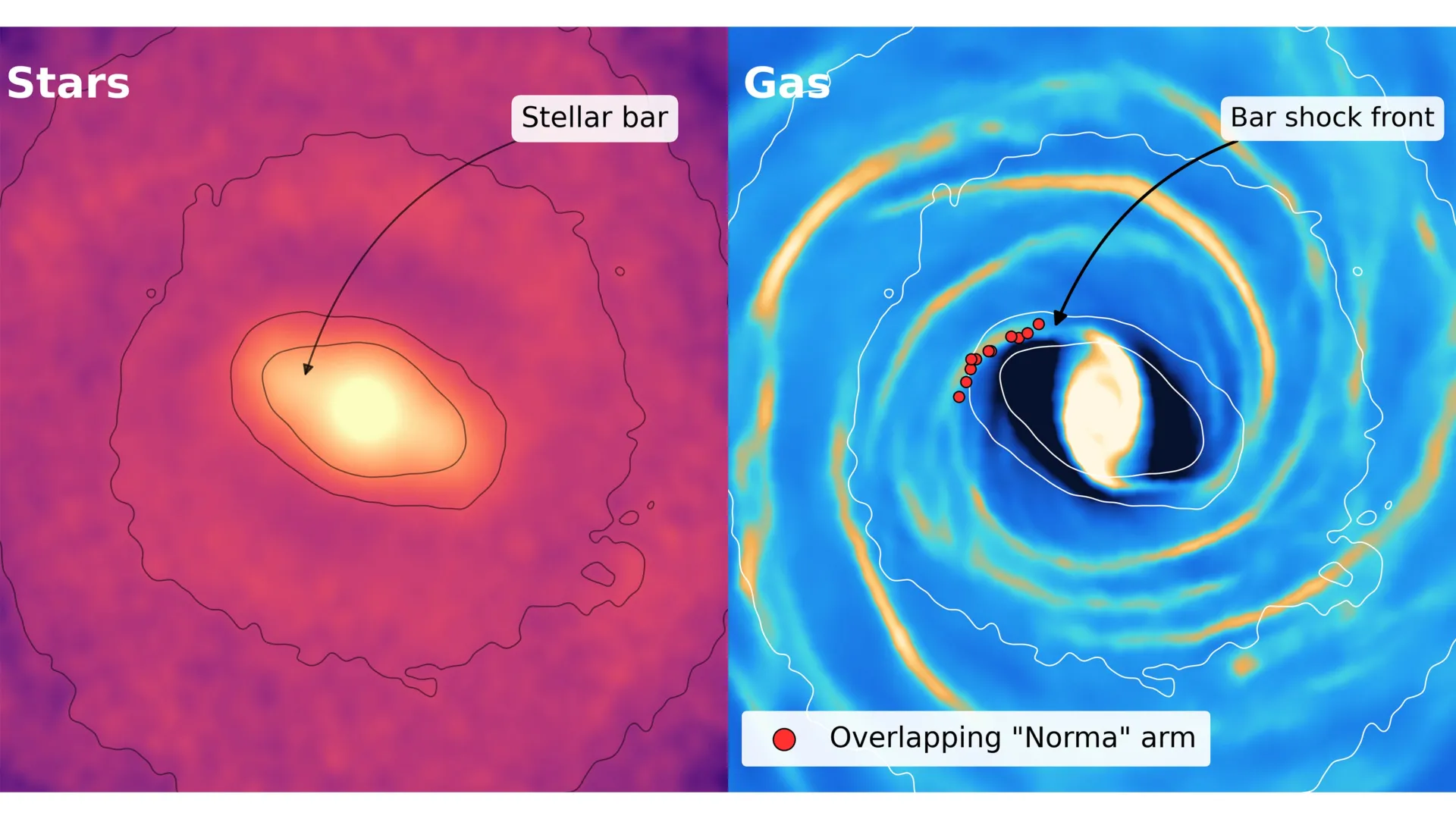
A galactic shock wave could rewrite the map of the Milky Way
6 hours agoTwo monster black holes from the dawn of time defy explanation
7 hours agoWhats New
View All
‘The Odyssey’ Leads Critics Choice Awards Below-the-Line Shortlists With 11 Mentions as ‘Dune: Part Three’ and ‘La Bola Negra’ Follow With Eight

‘Focker-in-Law’ Review: Ariana Grande Sporadically Livens Up a Tired Comedy Retread

‘God of War’ Live-Action Series: Deborah Ann Woll to Reprise Faye Role From Video Games

GTA 6 Leaker Cyberleek Reportedly Releases .exe File for Xbox Build, Sparking Concern an Unofficial PC Port Could Be Around the Corner

Jensen Huang isn’t out of the woods yet

Trump Posts Bizarre AI Meme of Jensen Huang, Holding Up a Bra and Riffing Off President’s 2024 Assassination Attempt, After Nvidia Board Reinstates CEO

‘I’m a Celebrity’ Tensions Between AJ Odudu and Mariella Frostrup Prompt ITV to Issue Statement: ‘We Take the Welfare of the Celebrities Very Seriously’

Trump says he 'convinced' Nvidia to reinstate Jensen Huang

Trump reportedly called into Nvidia board meeting to advocate for Huang’s return
