
A simple daily fiber supplement reduced arthritis pain and improved strength
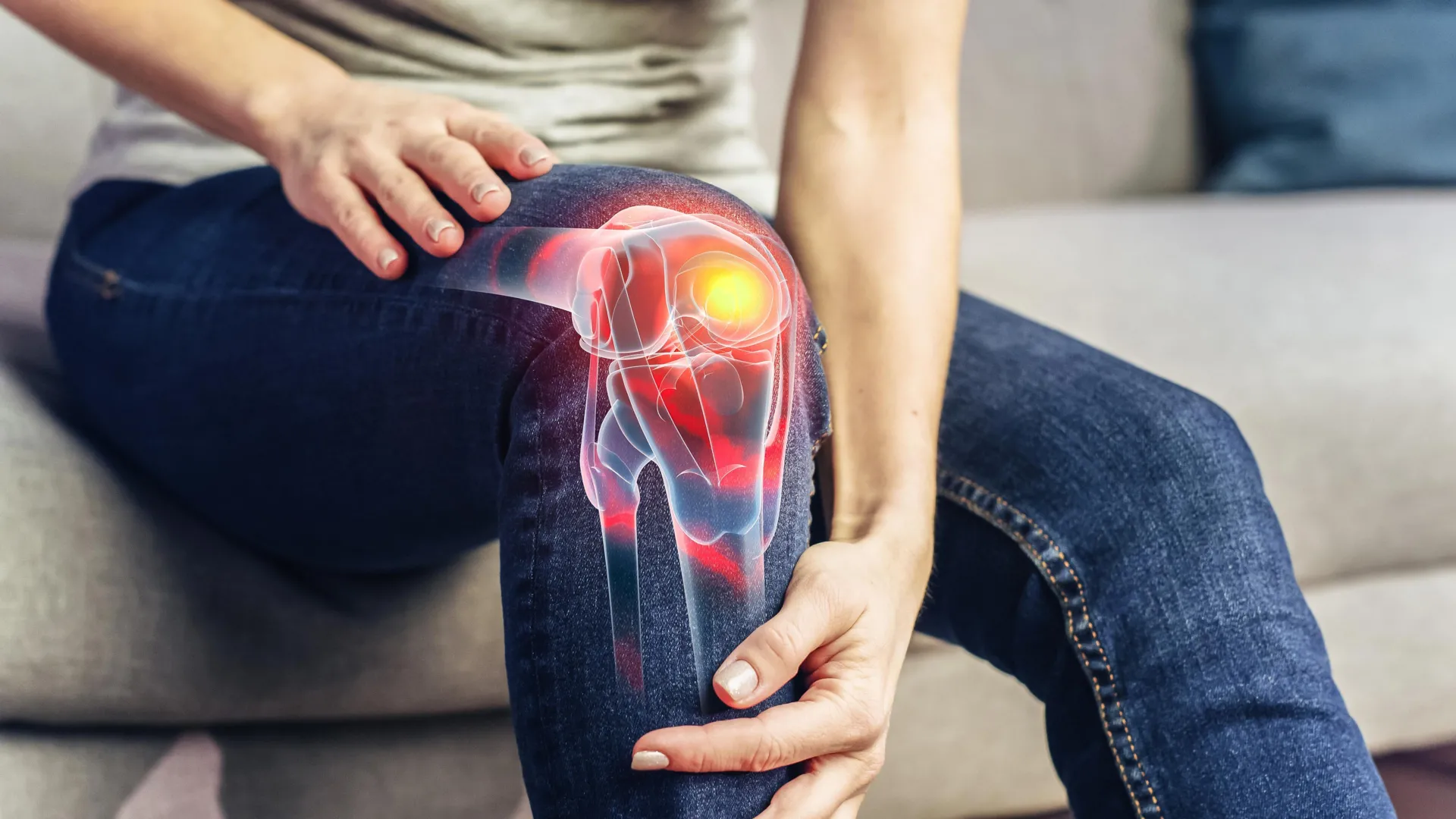
A simple daily fiber supplement may offer a surprising new way to relieve knee arthritis pain while improving muscle strength. In a clinical trial led by researchers at the University of Nottingham, people with knee osteoarthritis (OA) who took a prebiotic fiber called inulin experienced significant reductions in pain, improved grip strength, and decreased sensitivity to pain.
The supplement also appeared to be considerably easier for participants to stick with than a digital physical therapy program. Only 3.6% of those assigned to inulin alone dropped out of the study, compared with 21% of those assigned to physical therapy alone.
Published in the journal Nutrients, the findings suggest that improving gut health could become an additional strategy for managing arthritis. They also reveal an intriguing connection between the bacteria living in our digestive system, the way our bodies process pain, and muscle function.
A Simple Dietary Change Could Help Relieve Arthritis Pain
Knee osteoarthritis affects hundreds of millions of people worldwide and is a major cause of chronic pain and disability, especially among older adults. The condition develops as the tissues within the knee joint, including the cartilage that cushions the ends of bones, gradually deteriorate. This can lead to pain, stiffness, swelling, and difficulty with everyday activities such as walking or climbing stairs.
Treatment typically focuses on reducing symptoms and maintaining mobility. Pain medications can provide relief but may cause unwanted side effects, while physical therapy and regular exercise can help improve joint function. However, keeping up with an exercise program can be difficult, particularly for people already struggling with persistent pain.
The new research raises the possibility that a simple dietary supplement could provide another way to manage symptoms.
"This study raises the exciting possibility that a simple dietary change -- adding a fiber supplement to your breakfast or yogurt -- could meaningfully reduce pain and improve physical function," said Dr. Afroditi Kouraki, lead author of the study from the School of Medicine at the University of Nottingham.
The supplement tested in the study was inulin, a naturally occurring fiber found in foods such as chicory root, Jerusalem artichokes, and certain other vegetables. Unlike many nutrients, inulin is not broken down by digestive enzymes in the small intestine. Instead, it passes into the large intestine, where beneficial bacteria can use it as food.
How Gut Bacteria May Influence Arthritis Pain
Researchers are increasingly discovering that the gut microbiome, the vast community of microorganisms living in the digestive tract, influences much more than digestion. These microbes interact with the immune system, produce biologically active compounds, and may even affect how the nervous system responds to pain.
Inulin is classified as a prebiotic because it nourishes certain beneficial gut bacteria rather than directly supplying living microorganisms, as probiotics do.
When bacteria ferment inulin, they produce substances known as short-chain fatty acids (SCFAs). One of the most important is butyrate, a compound that helps support the intestinal lining and can influence inflammation and biological pathways involved in pain.
The researchers found that participants taking inulin had increased levels of butyrate, suggesting that the supplement was influencing activity within the gut microbiome.
They also observed higher levels of glucagon-like peptide-1 (GLP-1), a hormone released by the gut that helps regulate blood sugar and appetite and has also been linked to pain regulation and muscle health.
GLP-1 has attracted widespread attention because it is the hormone targeted by medications such as Ozempic and Wegovy. However, the inulin supplement used in this trial was not a GLP-1 medication. Instead, researchers examined whether supporting beneficial gut bacteria could influence the body's own production of the hormone.
One particularly interesting finding was that higher GLP-1 levels were associated with better grip strength. Although this does not establish that GLP-1 caused the improvement, it suggests that changes originating in the digestive system may be connected to muscle function as well as pain.
Fiber Supplement vs. Physical Therapy
To investigate these effects, the researchers conducted the INSPIRE trial, a six-week randomized controlled study involving 117 adults with knee osteoarthritis.
Participants were assigned to one of four treatment groups: a daily inulin supplement alone, digitally supported physical therapy exercises (PSE) alone, a combination of inulin and physical therapy, or a placebo.
This design allowed researchers to examine the effects of the supplement and exercise separately, as well as investigate whether combining them offered additional benefits.
Both inulin and physical therapy independently reduced knee pain, indicating that each approach provided meaningful symptom relief.
However, the supplement produced additional improvements that were not observed with physical therapy alone. Participants taking inulin demonstrated better grip strength and reduced pain sensitivity.
Pain sensitivity reflects how strongly the nervous system responds to potentially painful stimulation. Reducing that sensitivity could be particularly valuable for people with osteoarthritis, because persistent pain is not always explained by the amount of visible damage within a joint. Changes in how the nervous system processes pain can also contribute to discomfort.
The improved grip strength was another unexpected result, suggesting that the supplement's effects might extend beyond the knee itself.
The researchers also found a substantial difference in how many participants completed their assigned treatments. Only 3.6% of the inulin-only group dropped out, compared with 21% of the physical therapy-only group.
This difference suggests that taking a daily fiber supplement may be easier to incorporate into a regular routine than following a structured exercise program.
A Surprising Connection Between Gut Health, Muscles, and Pain
Dr. Kouraki said: "Our findings suggest that targeting gut health with a prebiotic supplement is a safe, well-tolerated, and effective way to reduce pain in people with knee osteoarthritis. The very low dropout rate compared to the exercise group is also encouraging from a public health perspective -- people were able to fit this supplement easily into their daily lives."
Beyond the reduction in arthritis pain, the researchers are particularly interested in what the findings reveal about interactions between the digestive system, muscles, and nervous system.
The association between GLP-1 and grip strength raises the possibility of a broader biological relationship connecting gut health with physical performance and resilience as people age.
Senior author Professor Ana Valdes from the School of Medicine added: "The link we observed between GLP-1 and grip strength is particularly intriguing and points to a broader gut-muscle-pain axis that warrants further investigation. This could have implications not just for osteoarthritis, but for understanding how gut health influences aging and physical resilience more broadly."
The findings are promising, but the trial was relatively small and lasted only six weeks. Larger studies with longer follow-up periods will be needed to establish whether the benefits persist, identify which patients are most likely to respond, and clarify the biological mechanisms responsible.
The results also do not suggest that fiber supplements should replace exercise or other established arthritis treatments. Instead, they point toward a potentially useful additional approach that could complement existing care.
A New Direction for Arthritis Treatment
The potential importance of this research becomes clearer when considering how many people live with persistent arthritis pain.
Professor Lucy Donaldson, Director of Research at Arthritis UK, said: "The pain of arthritis can severely impact quality of life. Our recent lived experience survey showed that six in ten people are living in pain most or all of the time due to their arthritis.
"Researchers are starting to explore the role of the gut microbiome in our experience of pain. This exciting preliminary research highlights how diet and physiotherapy can act in different ways to have benefits for people with arthritis. We know a variety and balance of healthy foods, including fiber, and regular physical activity matter, and we're glad to be supporting research that explores how they work to help people with arthritis."
For people living with knee osteoarthritis, the findings offer an encouraging possibility: a relatively simple change in daily nutrition may help reduce pain while supporting other aspects of physical health.
Perhaps most intriguingly, the research suggests that treating arthritis may involve looking beyond the joints themselves. By exploring how gut bacteria influence inflammation, pain perception, and muscle function, scientists may uncover new ways to manage a condition that affects millions of people every day.
Comments 0
Leave a Reply
Your email address will not be published. Required fields are marked *
Science
Explore All
A simple daily fiber supplement reduced arthritis pain and improved strength
A new clinical trial suggests that a simple daily fiber supplement could significantly reduce knee osteoarthritis pain, improve muscle strength, and m...

The autistic brain processes faces differently than scientists thought
1 hour ago
The asteroid that killed the dinosaurs may have helped ants conquer the world
3 hours ago
Scientists discover the immune system’s hidden sense of touch
3 hours agoNASA Invites Media to Crew Completion of Yearlong Mars Simulation
9 hours agoWhats New
View All
A simple daily fiber supplement reduced arthritis pain and improved strength

Oscars Will ‘Always’ Reward Human Excellence in AI Era, Academy Chiefs Say as They Leave Door Open to International Feature Rule Tweaks (EXCLUSIVE)

The Upcoming Blade Runner 2099 Board Game Will Feature a Different Story Than the TV Series

Global stock markets rise as investors continue to bet on AI

Syria-Jordan border reopens amid probe into deadly air strikes
The autistic brain processes faces differently than scientists thought

Five key takeaways from Israel’s parliamentary elections

Amy Poehler Tells Noah Wyle ‘The Pitt’ Needs More Romance: If You’re ‘Gonna Show the Guts, You Gotta Show Some Butts’
The asteroid that killed the dinosaurs may have helped ants conquer the world
