
NASA’s Hubble Seeks Lensed Supernova, Marks 200,000 Orbits
NASA Hubble Mission Team
Goddard Space Flight Center
Sep 23, 2026
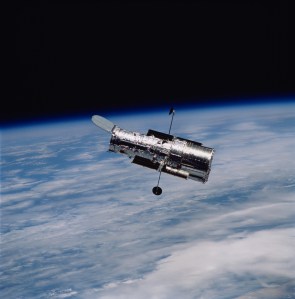
NASA’s Hubble Space Telescope completed its 200,000th orbit around Earth on Sept. 19, marking another new milestone for an observatory that continues to transform our understanding of the universe.
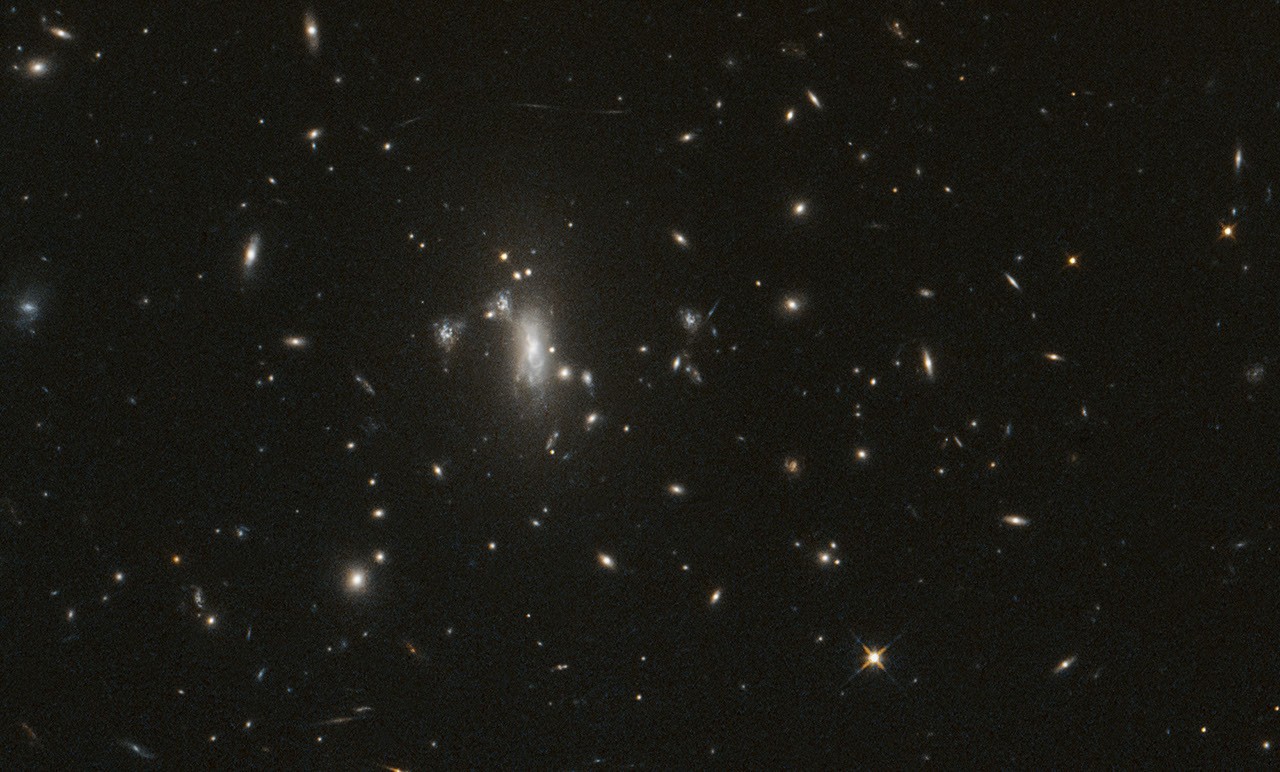
Hubble has traveled more than 5 billion miles around Earth over its 36-year lifetime, exceeding 1.7 million total observations. An observation completed on the day of the 200,000th orbit pertains to one of Hubble’s defining scientific legacies: measuring the expansion rate of the universe, or the Hubble Constant. The image takes advantage of the telescope’s ability to return to the same regions of the sky over time to monitor for the reappearance of a supernova, or explosion of a star, called Athena.
Massive galaxy cluster MACS J0417, located at the left center of the image, acts as a gravitational lens, bending and magnifying light from objects far behind it. Light from a supernova can reach Earth along multiple paths, causing the same stellar explosion to appear more than once at times separated by months or even years depending on the path it took. Supernova Athena, discovered by NASA’s James Webb Space Telescope in 2025, is predicted to reappear between now and early March 2027. Measuring the timing of Athena’s reappearances can help researchers map the mass of MACS J0417, which acts as a magnifying, foreground lens for distant objects, and refine our understanding of the expansion rate of the universe.
After more than 36 years in space, Hubble still is reaching new heights of scientific productivity and impact. Hubble’s unique ability to observe and analyze light in ultraviolet and visible wavelengths complements NASA’s James Webb and Roman Space Telescopes’ capabilities. As a result, demand for Hubble observing time remains high as astronomers request about seven times as much observing time as is available each year.
Hubble continues to observe targets across every area of astronomy around the clock, with real-time tracking of those observations available on NASA’s website.
Media Contact:
Claire Andreoli
NASA's Goddard Space Flight Center, Greenbelt, MD
claire.andreoli@nasa.gov
Share
Details
Keep Exploring
Discover More Topics From Hubble
Comments 0
Leave a Reply
Your email address will not be published. Required fields are marked *
Science
Explore All
NASA Modernizes Commercial Airline Systems
NASA’s researchers know that when you settle into your seat on a commercial flight, you expect a smooth takeoff, views over the clouds, a steady desce...
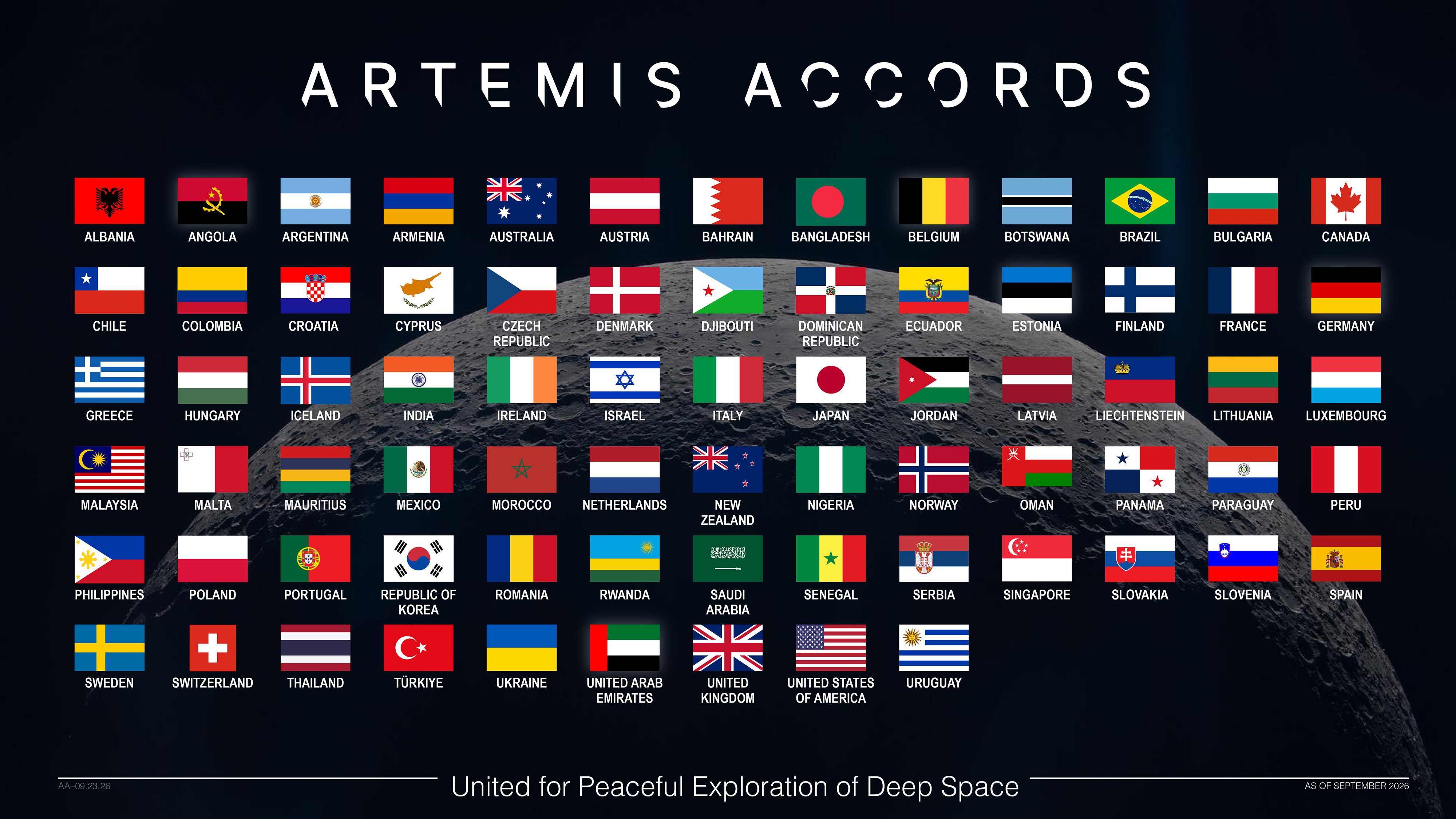
NASA Welcomes Croatia as Newest Artemis Accords Signatory
5 hours ago
NASA Selects Far-Infrared Telescope as First in New Mission Class
5 hours ago
NASA Aircraft to Make Low-Altitude Research Flights Over Colorado
6 hours agoNASA’s Hubble Telescope Reaches Milestone, Looks for Elusive Supernova
7 hours agoWhats New
View All
Michigan student confronts El-Sayed over Iran stance in tense exchange: ‘Do you stand with us?’

They were labelled 'pervert glasses'. Will a camera-free version transform their image?

Meta made a Tamagotchi-like wearable for its Muse AI agent

NYC kitten rescue defends ‘NO F---ING MAGA’ adoption policy as PETA calls for it to be abolished

In Amish country, nurses go door to door to stop deadly spread of measles

‘The Visit’ at Pasadena Playhouse Review: The ’50s Absurdist Comedy Is Too Smug in Its Peak-Bleak View of Venal Humanity, but Jefferson Mays and Melinda Page Hamilton Are Worth the Visit

OpenAI, Anthropic CEOs call for global AI regulation at UN

Why is Kenya turning against Tata Chemicals in Magadi?

Iran war live: Tehran says it won’t be bullied, remains open for talks
