
NASA Selects Blue Origin as Mars Telecommunications Network Provider

NASA awarded Blue Origin a contract Tuesday to develop the agency’s Mars Telecommunications Network, a next-generation communications system that will enable reliable, high-bandwidth communications and navigation services for current and future Mars missions.
The firm-fixed-price contract has a maximum potential value of approximately $700 million to deliver a high-performance Mars telecommunications orbiter to NASA no later than Dec. 31, 2028.
Blue Origin will design, develop, integrate, launch, and operate the network as a part of the agency’s broader space communications and navigation infrastructure. The architecture will consist of a high-performance telecommunications spacecraft orbiting Mars, transmitting science data, imagery, navigation information, and critical mission communications for spacecraft operating on and around the planet.
The award marks a milestone in NASA’s strategy to expand communications and navigation services beyond Earth and the Moon, establishing the foundation for sustained exploration of Mars in the coming decades.
Under the Artemis program, NASA is sending astronauts to explore the Moon and prepare for missions to Mars. Robotic missions will pave the way for human exploration of the Red Planet, and as these missions expand, demand for data will continue to increase. To meet this need, NASA is pursuing a purpose-built network capable of supporting a growing number of missions while providing greater capacity, reliability, and operational flexibility.
The selection follows NASA’s request for proposal issued in May. As the agency increasingly taps commercial partners for transportation and communications services in Earth orbit and to develop the Moon Base, the Mars Telecommunications Network initiative similarly seeks to harness private-sector capabilities while enabling NASA to focus on exploration and scientific discovery.
The network, managed by NASA’s Space Communications and Navigation program, is expected to be operational at Mars by 2030 and will support both current and future missions to the Red Planet, as NASA ventures deeper into space.
For more information about NASA’s space communications efforts, visit:
https://www.nasa.gov/communicating-with-missions
-end-
Rob Margetta
Headquarters, Washington
202-358-0918
robert.j.margetta@nasa.gov
Rob Garner
Goddard Space Flight Center, Greenbelt, Md.
301-286-5687
rob.garner@nasa.gov
Comments 0
Leave a Reply
Your email address will not be published. Required fields are marked *
Science
Explore All
NASA’s Moon orbiter finds a 728-foot crater that wasn’t there before
NASA’s Lunar Reconnaissance Orbiter has revealed a 728-foot-wide crater that formed on the Moon in 2024, making it the largest newly formed crater eve...

These blood thinners may have an unexpected benefit for Alzheimer’s patients
1 hour ago
Scientists restore a brain protein and reverse signs of aging in mice
7 hours ago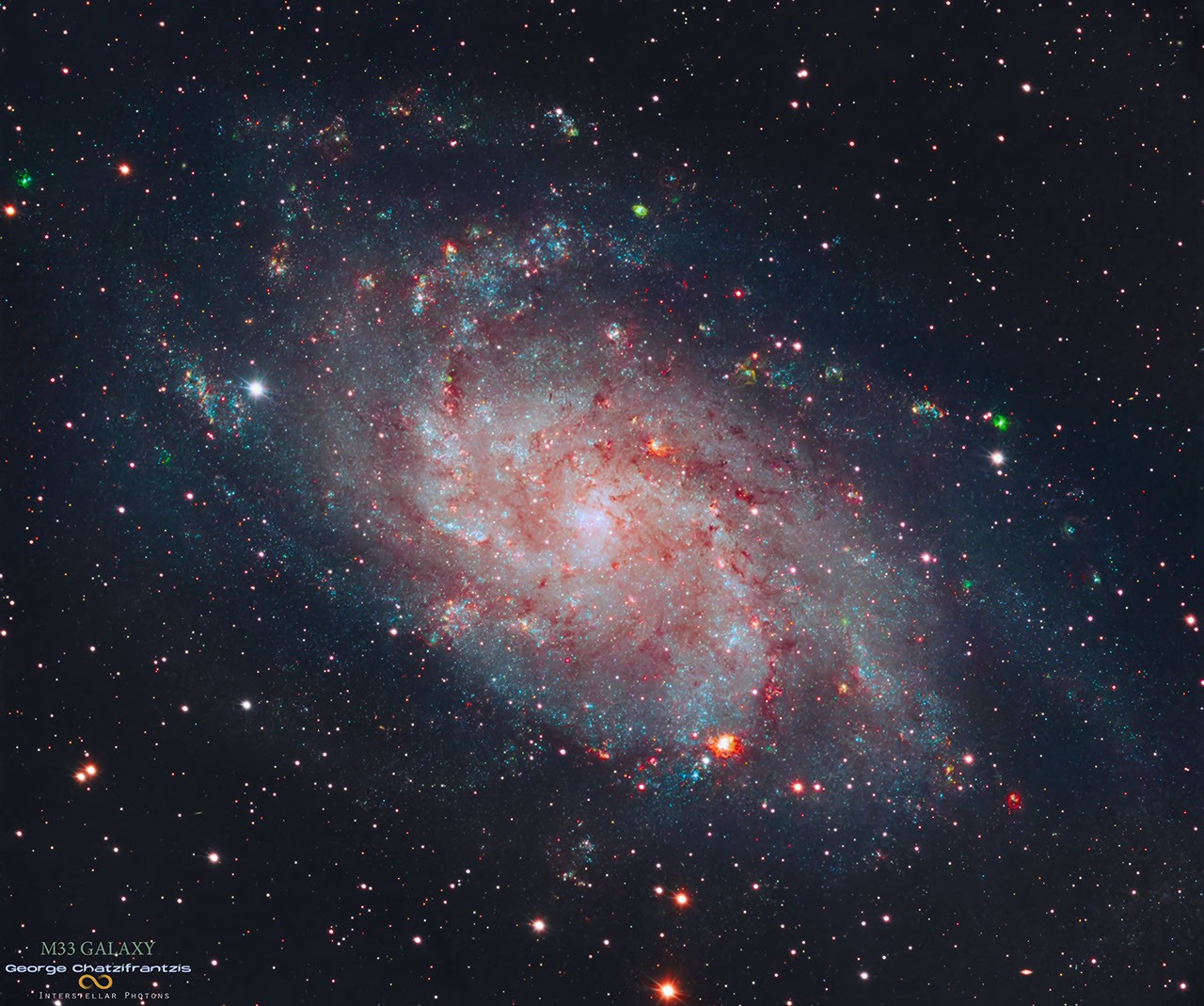
APOD: 2026 September 18 – Messier 33: The Triangulum Galaxy
7 hours agoOzempic can change your body. Can it change your life?
7 hours agoWhats New
View All
Palmer and Alexander-Arnold recalled after England World Cup snub

United Nations says US may have committed war crimes in Iran: What it means

Far Cry TV Series Adds Batman, Knuckles McGinty, And More Big Names

GTA 6’s Robberies Need To Be Unpredictable

Edmund Yeo and Vivian Sung Chase Malaysia’s Buried Past in Toronto Title ‘The Age of Goodbyes’: ‘Ordinary People Living Inside History’

Dozens of suspected illegal miners die in Nigerian custody

‘My children did not attack Iran’: 2bn South Asians suffer from distant war

He Won the Nobel Prize for Protein Design. Now He Uses AI to Create Molecules Not Found in Nature

Israel is killing the people who could end its wars
