As Trump and Xi meet, investors play both sides of AI divide

Sept 22 (Reuters) - As China and the US race to build separate AI supply chains, investors are playing both sides, with US banks fundraising for AI upstarts in China and Chinese money flowing to US tech.
The stakes are sizable, with Wall Street banks acting as bookrunners on 19 Chinese high-tech equity capital market deals worth $17.2 billion so far this year, according to LSEG data, accounting for nearly 30% of the sector's total issuance.
US stocks, particularly semiconductors, are also the favourite destination for China's outbound mutual funds. The value of US equity held by Hong Kong residents and mainland Chinese has jumped 23% in the past year to top $750 billion, US data shows.
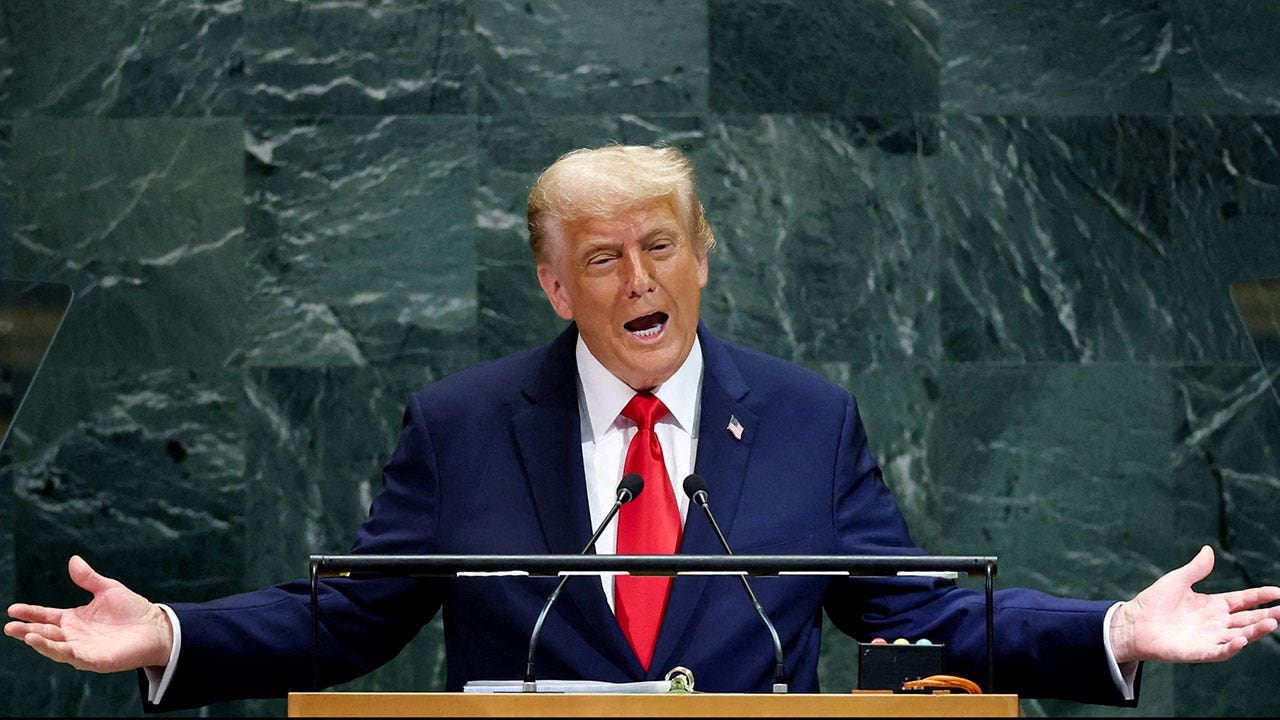
The financial connections, shown in public disclosures, enmesh the competitors in a rivalry analysts say is akin to the Cold War Space race. AI is likely to be in focus when leaders Donald Trump and Xi Jinping meet this week in Washington.
For investors, the mutual exposure is a safety net giving both sides an interest in keeping relations steady, and holding expectations low for the Trump-Xi meeting to break new ground.
It is also at risk of unwinding painfully if US-China relations deteriorate and further cleave AI development in two.
"US and Chinese businesses and investors continue to maintain connectivity and invest in each other despite highly volatile geopolitical conditions," said Fred Hu, founder and chairman of private equity firm Primavera Capital Group.
"The forthcoming Trump-Xi Summit can hopefully inject more certainty and energy to the essential financial connectivity and broader economic relationship."
US Treasury Secretary Scott Bessent said he and Chinese Vice Premier He Lifeng discussed setting up a US-China AI dialogue this week, with a notification system for common goals and threats.
FINANCIAL CONNECTIONS
The financial connectivity has held and deepened despite China's pursuit of AI self-sufficiency and the US Pax Silica initiative, aimed at securing its AI supply lines.
Washington restricts the supply of top-line chips and chip-making technology to China and has restricted U.S. investment into sensitive AI-related sectors in China for several years.
But the investing rules contain a carve-out for publicly-traded securities and have not stopped Wall Street's involvement in China's AI listing boom, where investor interest is fuelled in part by China' self-sufficiency drive.
Wall Street banks this year advised on more than a dozen AI and chip listings and follow-on share sales, LSEG data showed.
Comments 0
Leave a Reply
Your email address will not be published. Required fields are marked *
Business & Finance
Explore All
Home Depot CFO issues chilling alarm over ‘frozen’ US housing market — crucial metric plunges to historic low

BWX Technologies (BWXT) Wins $4 Million Y-12 Design Contract. Could Construction Follow?
59 minutes ago
Gold price today, Tuesday, September 22, 2026: Gold prices holding as Chinese gold imports set record
59 minutes ago
Morning Bid: As oil swoons, AI recharges
1 hour agoAirlines are cutting capacity again amid $1B surge in Q4 fuel costs — here's what that means for travelers
1 hour agoWhats New
View All
Why Muse really just added billions to Meta's market cap and to Mark Zuckerberg's net worth

Why AMD's new $1 trillion valuation makes perfect sense

Teenager captured after 11 shot at Turkish high school

A New Chatbot Wants to Unlock the Secrets in Tattered Ancient Greek Records

Can you take the 'London' out of London Fashion Week?

Nvidia CEO Jensen Huang says ‘nothing would give me more joy’ than to pay more taxes: ‘I'm just afraid of being poor’

India defeat Sri Lanka by 147 runs as Mandhana shines in Asian Games final

Gunman opens fire near high school in western Turkiye, wounding eight
Pro-life group ramps up NC ground game as report finds fed abortion message gives GOP candidate biggest boost